6 February 2026
Two Sixth Form pupils are making an urgent appeal to save Support A Survivor of Torture (SAST) – in the process discovering a deeper connection to heritage.
Anya (CC) and George (WW) began volunteering with SAST in 2025, a London charity that offers testimony, documentation and therapy to Tamil survivors who have endured torture in isolation. For countless survivors, the centre has become a lifeline.
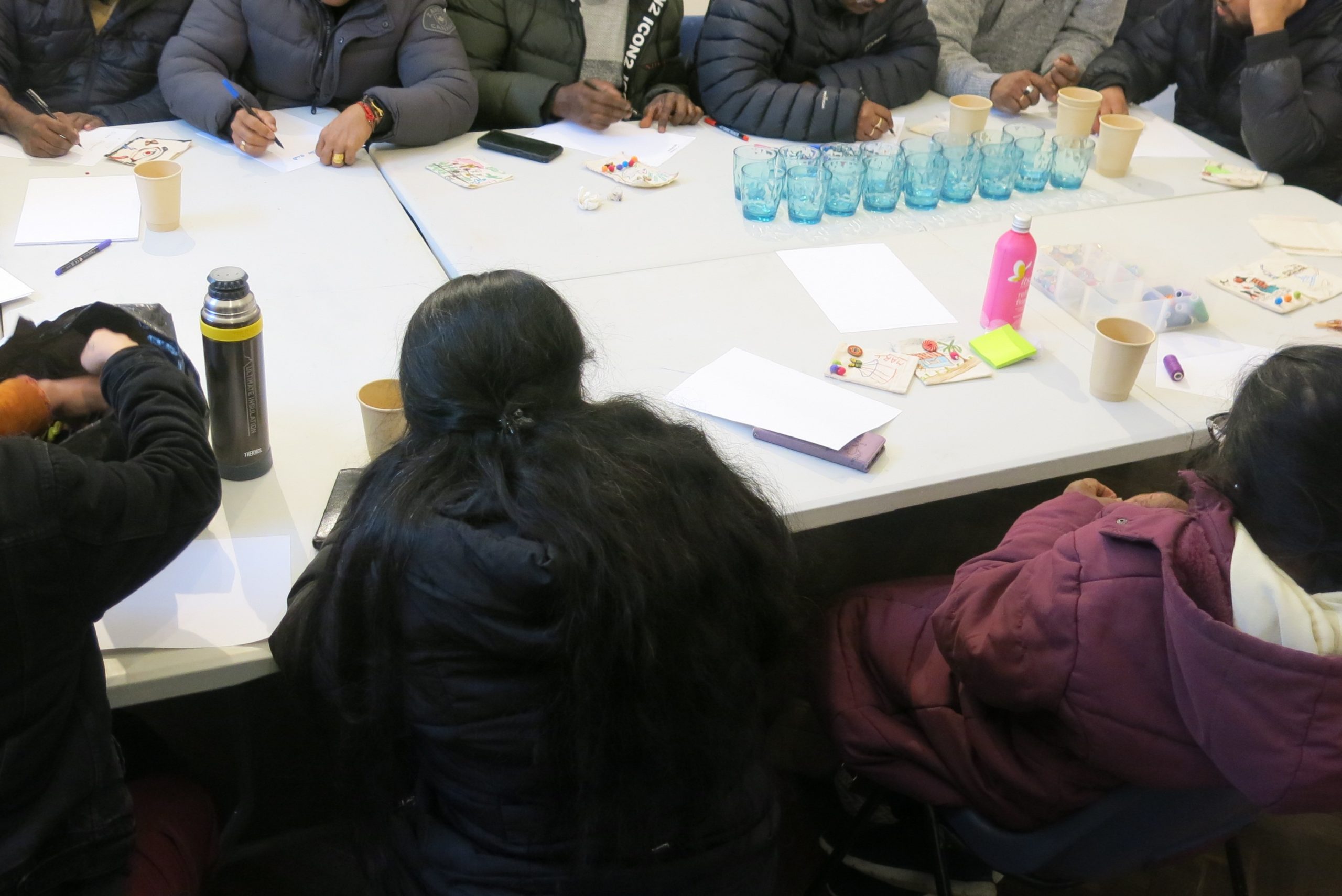
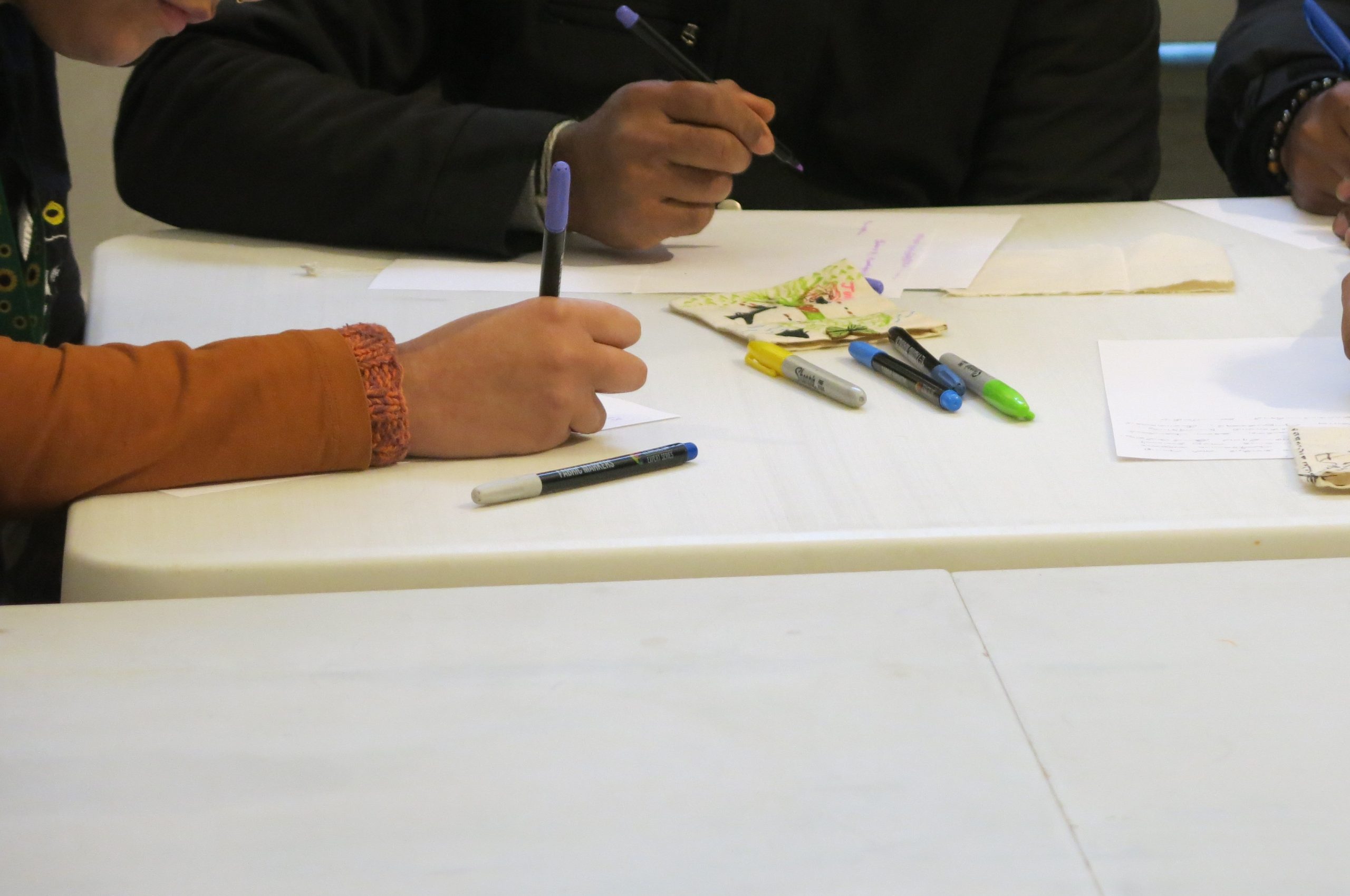
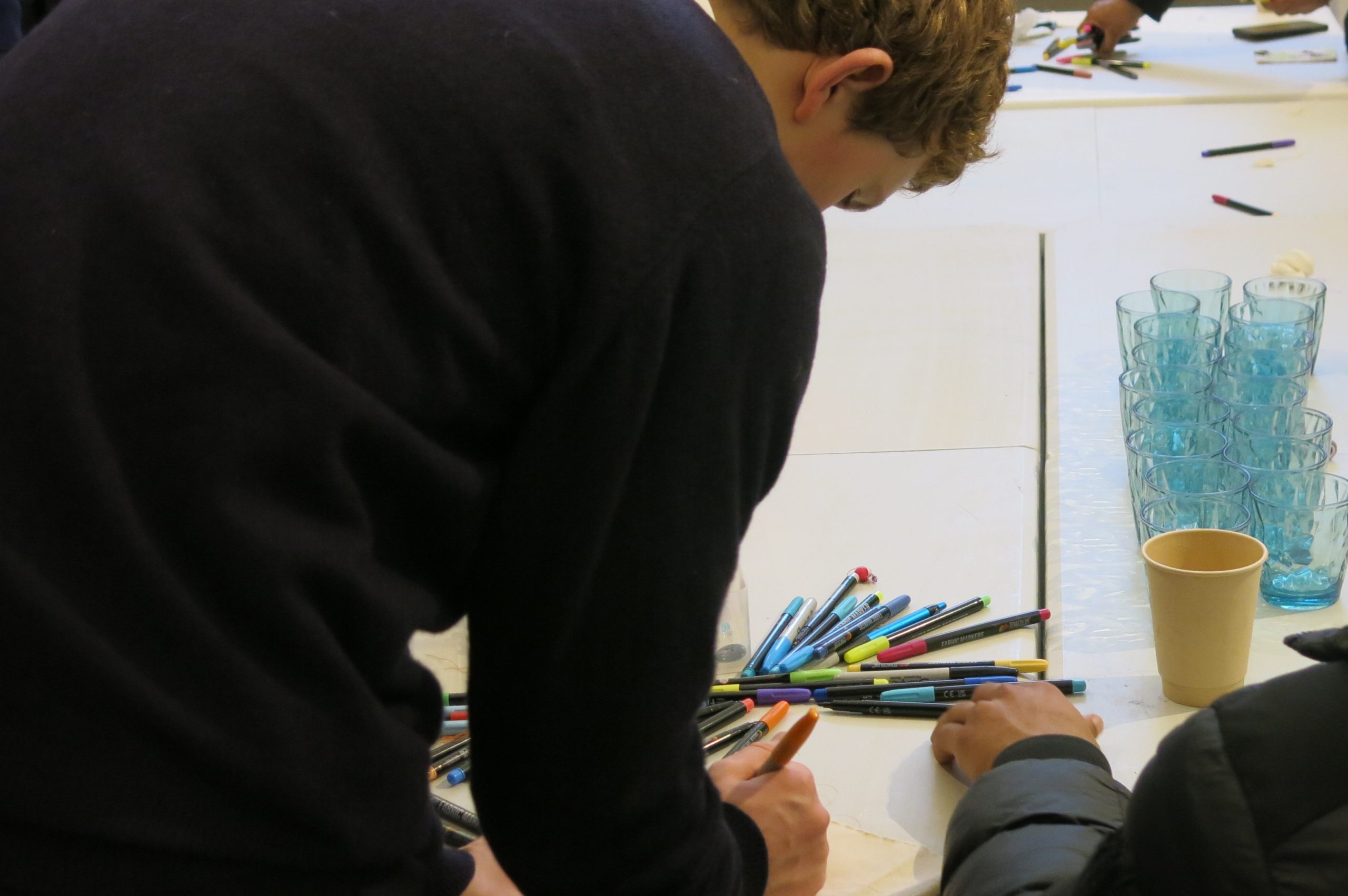
Founded ten years ago by OW Frances Harrison, a BBC correspondent in Sri Lanka in the early 2000s, SAST now operates out of a church and is the only centre in the UK where Tamil survivors of torture and sexual violence linked to the Sri Lankan civil war can receive support in their own language, delivered by staff who are themselves survivors. Each week, around 60 people attend the centre. They receive hot meals, group counselling, English and art lessons, emergency practical aid, and, perhaps most importantly, the chance to sit with others who understand their experiences without needing to explain.
SAST is now at imminent threat of closure due to a loss of vital funding. The charity’s core programme costs approximately £100,000 per year to deliver.
Frances, Anya, and George are now seeking donations to help protect this sanctuary.
One recent donor has pledged to match all other donations made by 9.00pm on Sunday 8 February. Giving as soon as you can will make the most of this opportunity!
For Anya, SAST has led to personal discovery. In a recent Westminster Abbey service, she shared the profound impact her time volunteering has had on her sense of identity and connection to her cultural roots.
“When I first signed up to volunteer to teach English, I thought I understood what I was offering. I thought I was giving my time, patience, and (hopefully) the gift of language. What I didn’t expect was that I would begin to discover my own origins.
“My grandparents left Sri Lanka in 1970, but Tamil, their mother tongue, was never passed on. They were advised not to speak it to their children, to avoid confusing them. As a result, my father can only recognise a few words, and my own skills are even more pitiful. What was lost wasn’t just language, but access to culture and the community that comes with it.
“I arrived, embarrassed by my lack of knowledge, and yet, the people I met were delighted to learn that I was Tamil, even if I knew nothing of my mother tongue. What I had expected to be a barrier became a point of connection. I had come to teach English. Instead, I found myself being taught who I am.
“Support a Survivor of Torture preserves survivors’ stories, so they are not erased; in doing so, it helped me recover my own.”
“If this charity closes, that exchange ends. Survivors lose the only space where their stories are heard, preserved, and shared in safety.”
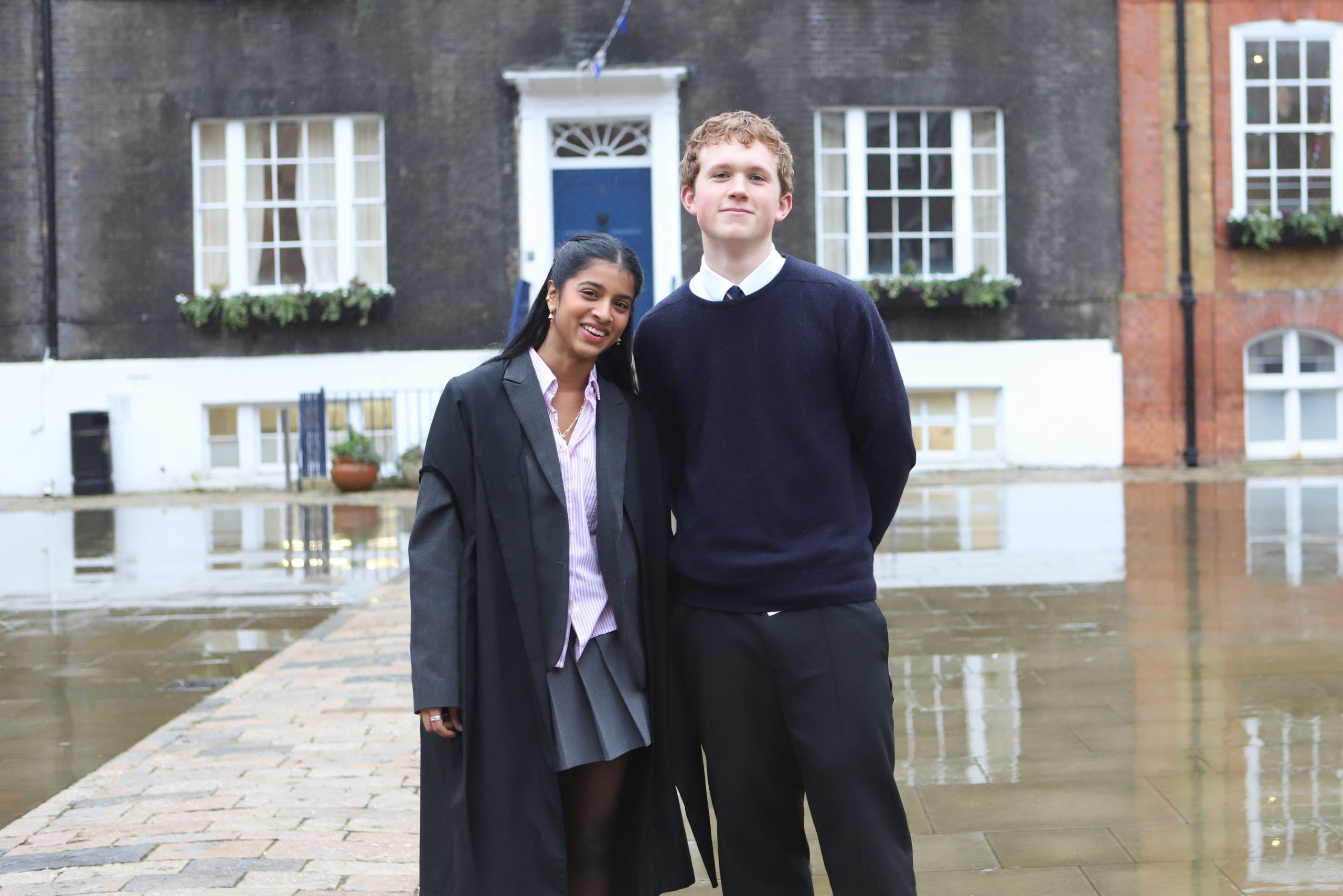
George said: “At first, I was unaware of the scope of the work being done at SAST and unsure of what role I could play there. Over time, however, as I grew closer to the community that exists there, it became clear that the bonds between participants, staff, and volunteers are ones that could only be built over years of sustained care and commitment. Learning how vulnerable many participants are when they first arrive made clear the huge amount of trust that is placed in SAST. The possibility that this space, and the years of careful work that have gone into it, could be closed is devastating.”
Related News Stories