19 May 2026
2025 saw Westminster’s first-ever language exchange with Martinique, furthering the School’s tradition of immersive global partnerships.
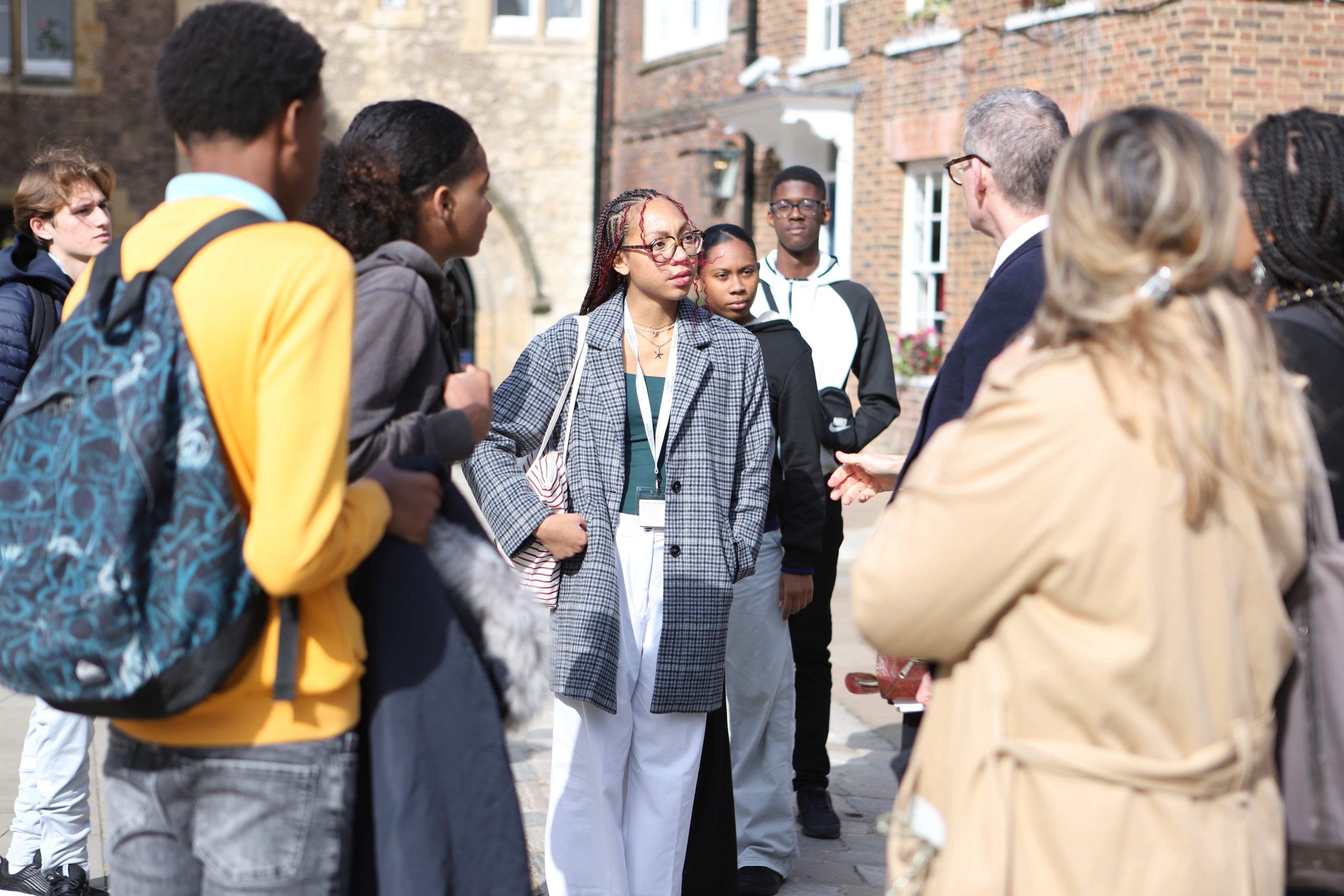
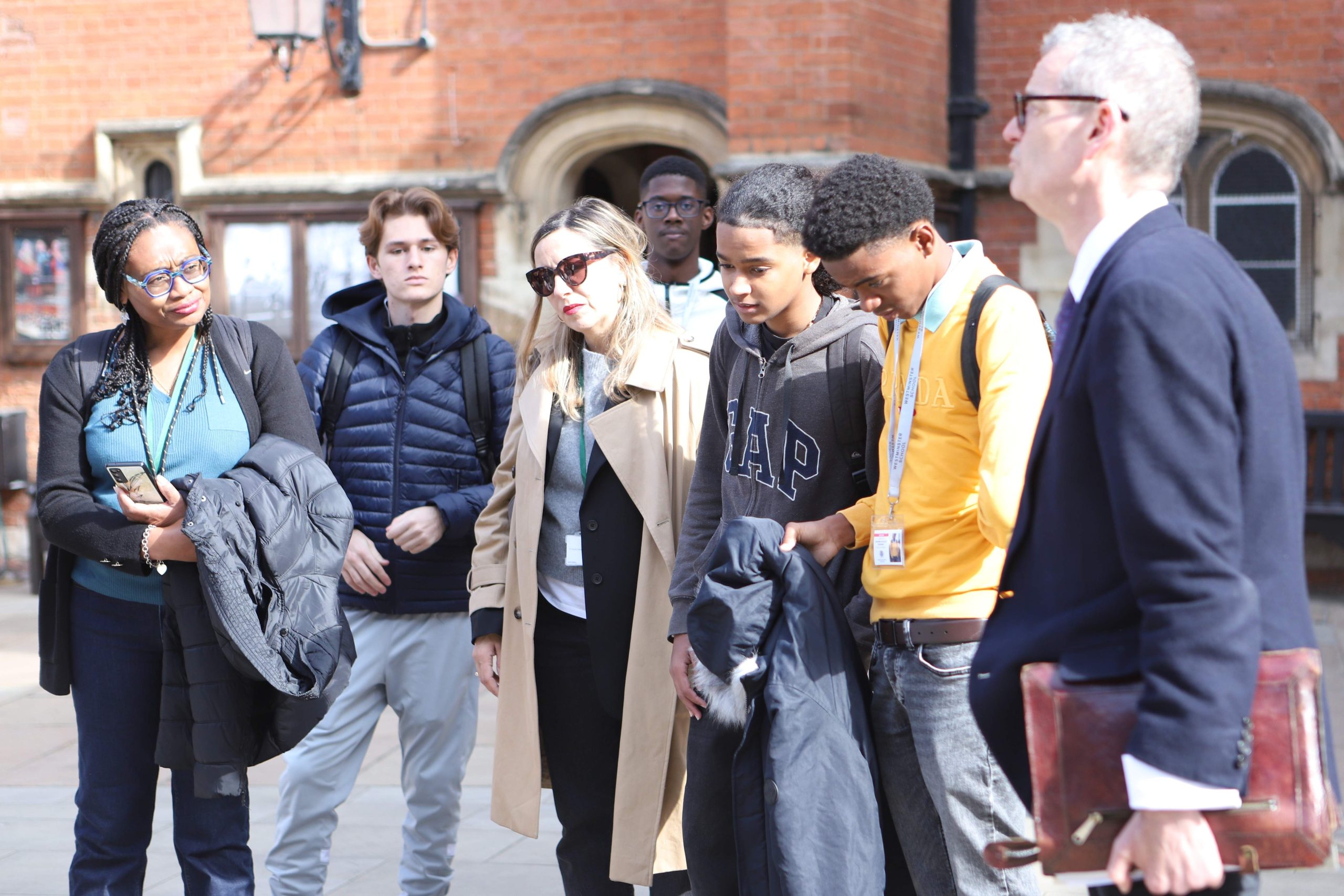
On a sunny morning in Yard, clearly having brought some Caribbean sun with them, eight pupils from Lycée Victor Schœlcher began the home leg of the inaugural Sixth Form language exchange programme with Westminster. Even with jet lag from the long flight, the group were excited to be in London, with some likening the School to Hogwarts.
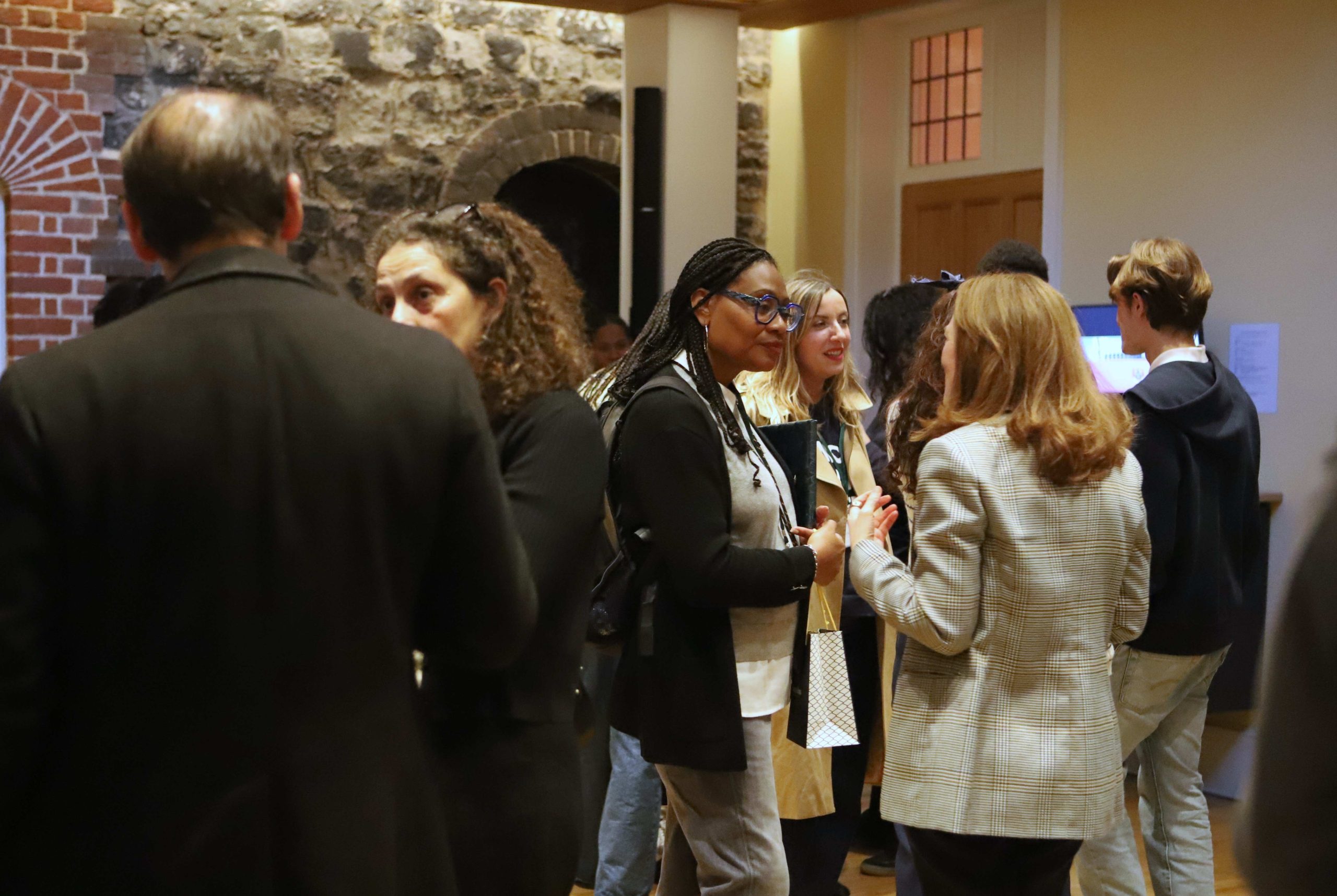
Staying with Westminster host families, or on site with boarders, the Martiniquais were immersed in Westminster life for a week, attending English classes and events, exploring the capital, and taking part in wider School activities, with two students, Eloime and Noa, giving readings in a whole-school Abbey Service.
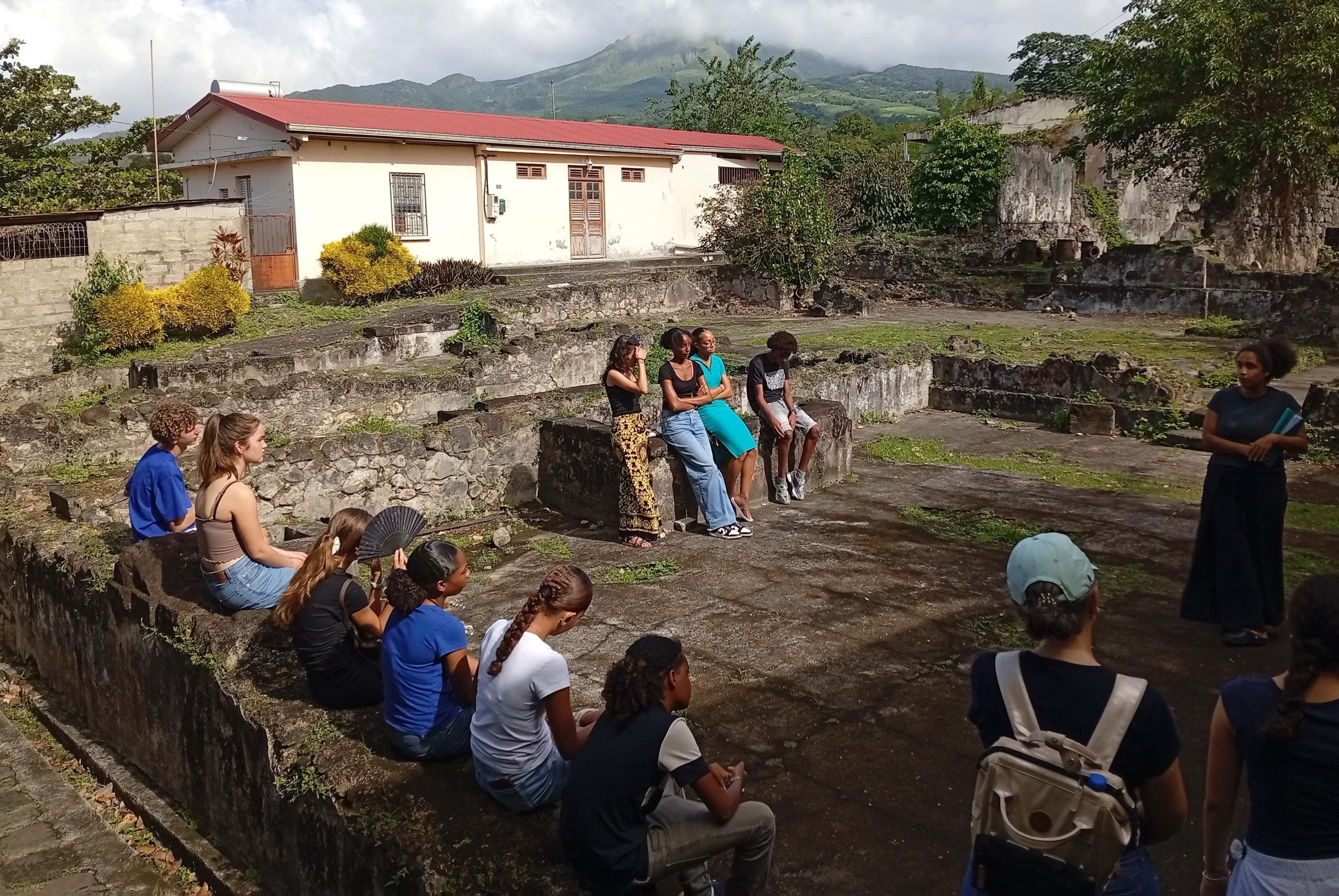
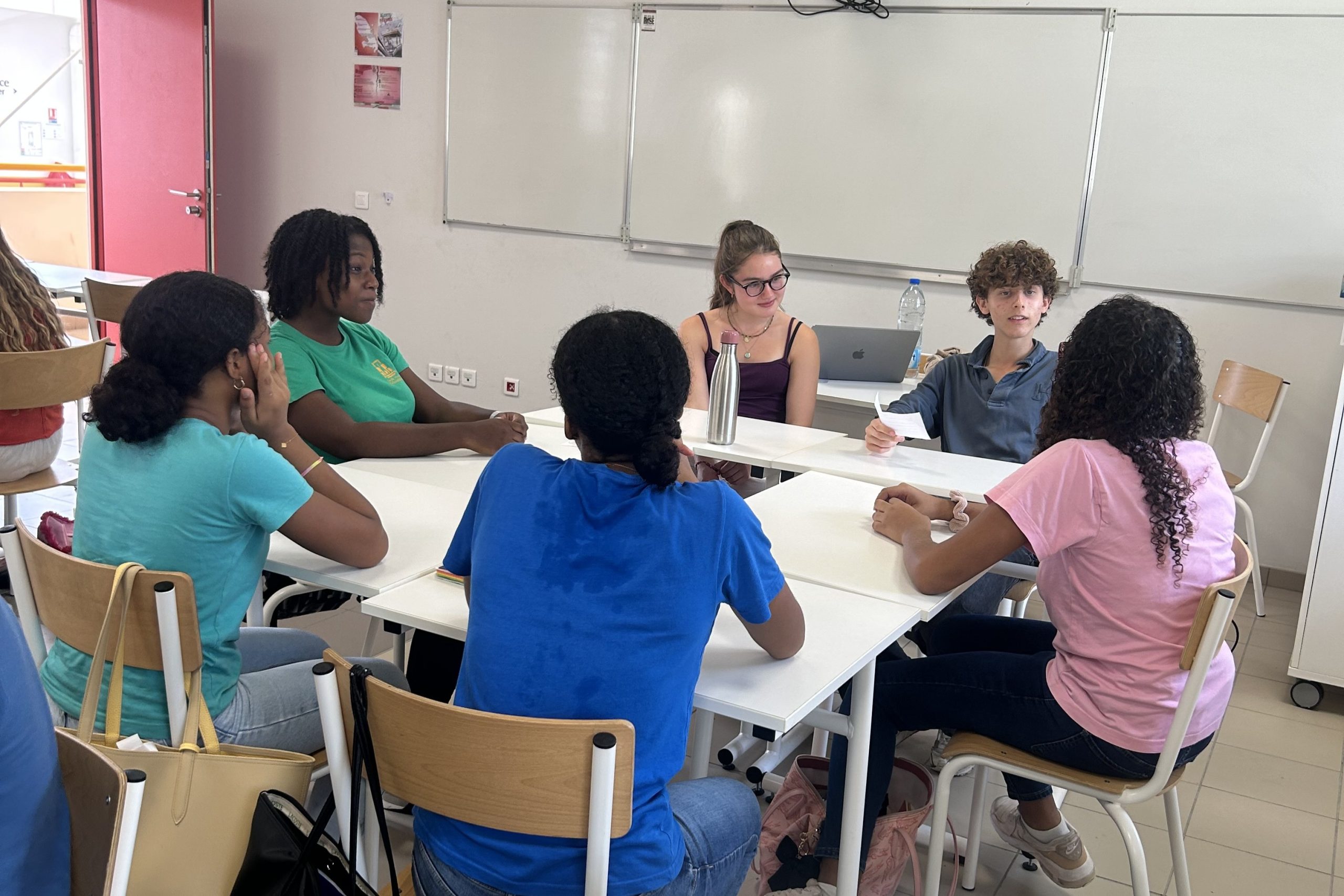
Eight Westminsters had already visited Martinique in December. Enjoying some much-needed warmer weather, they too stayed with host families and were fully immersed in island life. From dance classes to visiting ruins and churches, from water sports to singing in a local festival, the group were challenged to speak French while experiencing the culture and beauty of the Isle of Flowers. They even took part in an English class, supporting the language learning of the ‘terminales’ (Year 13s). A stark contrast to the busy, Christmas-lit streets of London, the opportunity was a prized one for those wanting to improve their French speaking skills outside France itself, while gaining a sense of what it is like to live on an idyllic island with a unique identity and a blend of French and Creole history.
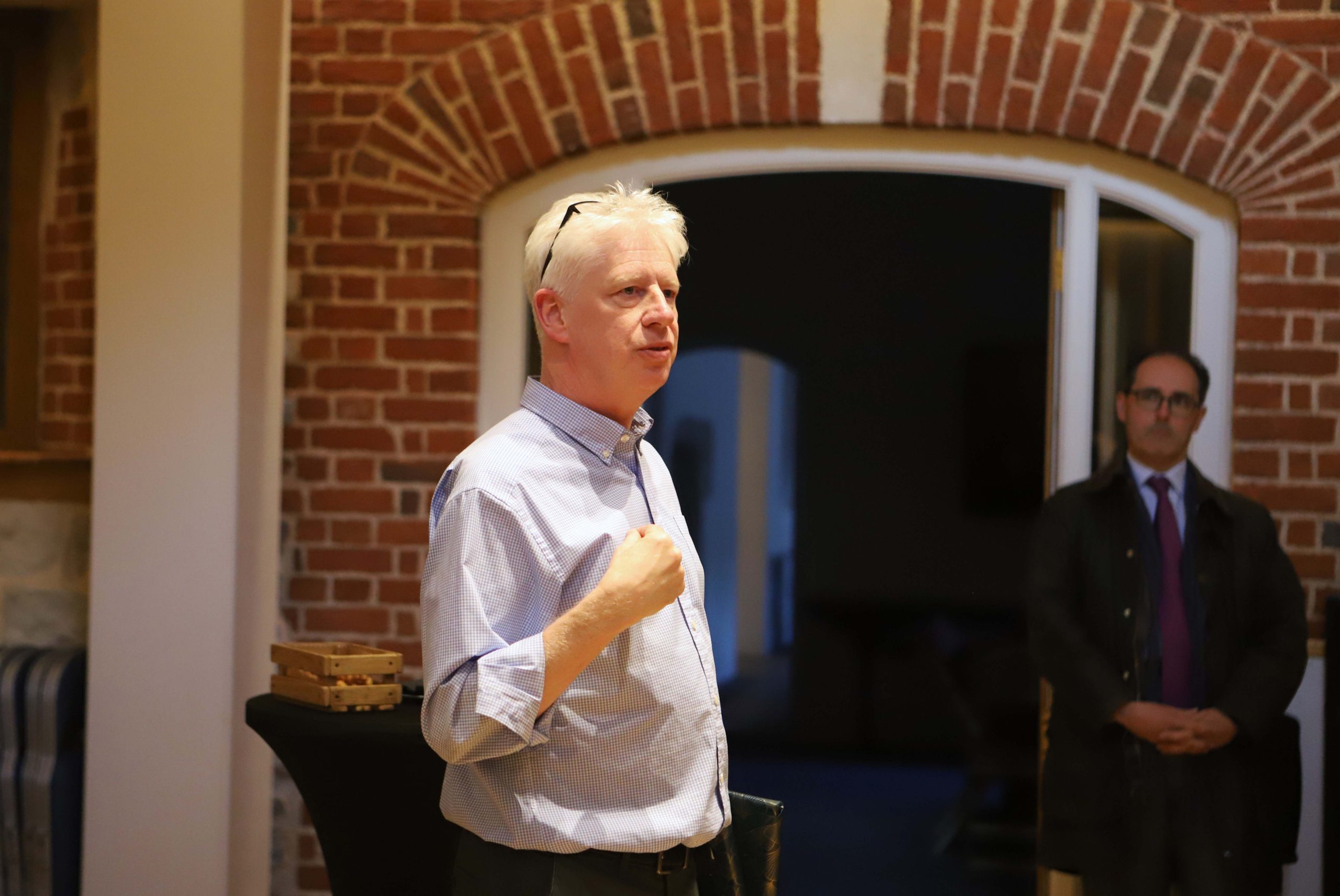
Orchestrated by the School’s Head of French, Dr John Witney, Lycée Victor Schœlcher seemed like a good match for Westminster. The oldest secondary school in Martinique, the School has long been regarded as an intellectual base. Originally founded in Saint-Pierre in 1881 as the ‘Lycée de la Martinique’ as the first secular school on the island, the lycée was relocated to Fort-de-France following the irreparable damage of the eruption of Mount Pelée in 1902. There it was renamed in honour of Victor Schœlcher, the French abolitionist who played a decisive role in the 1848 decree that ended slavery in the French colonies. Formerly an all-boys school, the lycée became coeducational in 1973 and, in 2010, at the urging of distinguished former pupil Aimé Césaire, it was designated a French National Monument in recognition of its profound historical and symbolic importance.
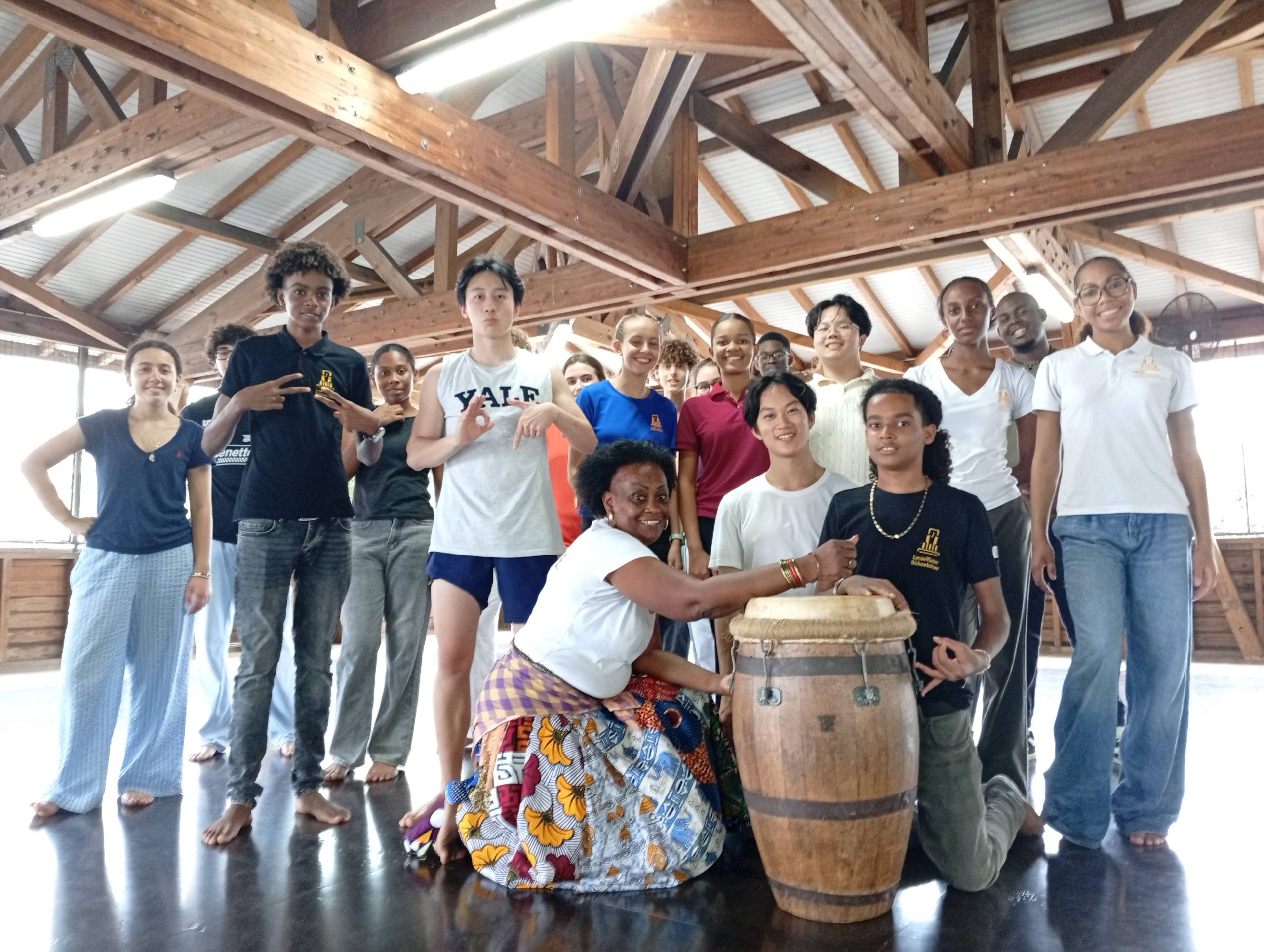
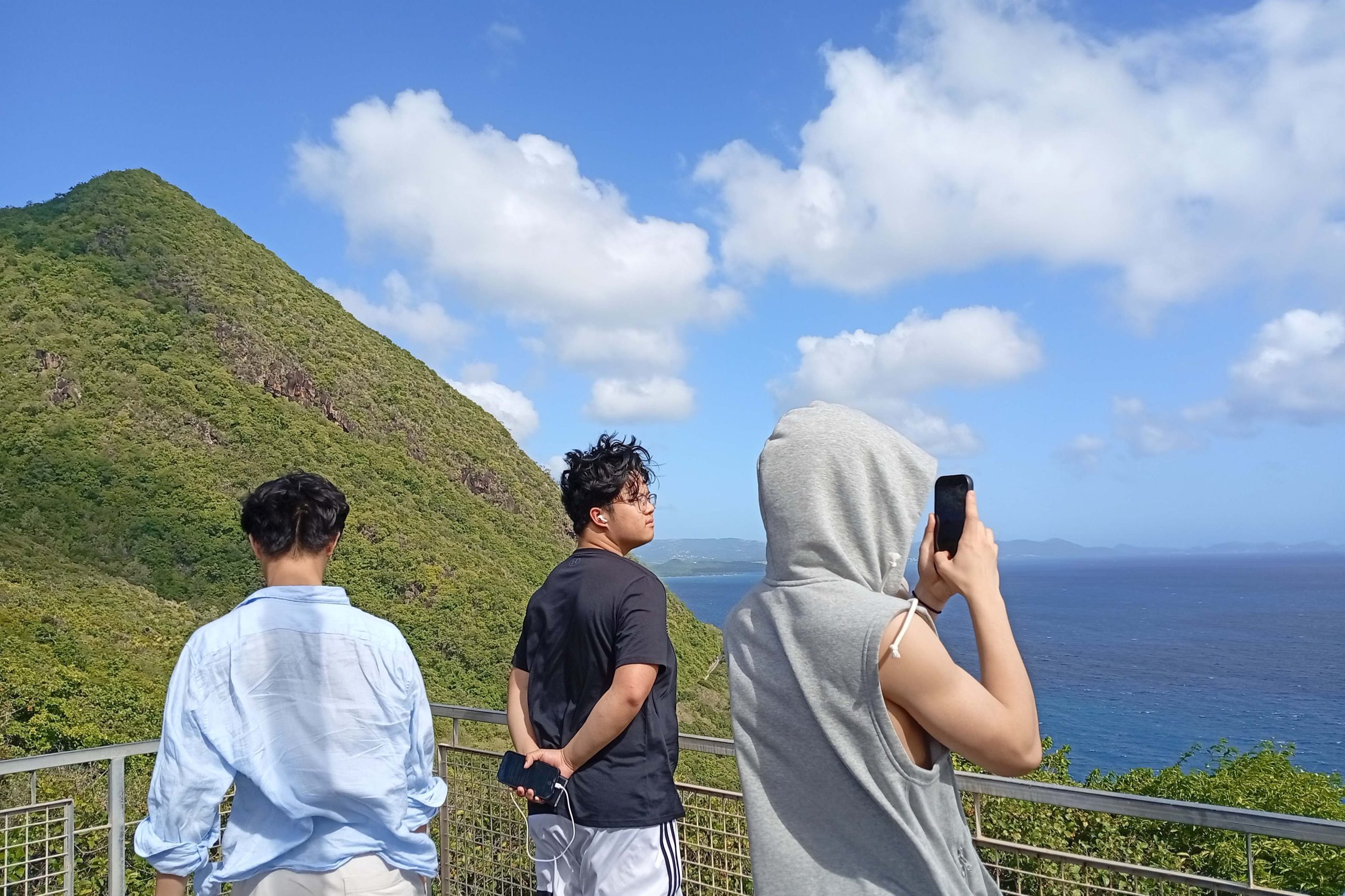
Hewei (Sixth Form, DD) said: “Martinique was an eye-opening experience. Arriving from London, I quickly began to appreciate their unhurried pace of life – a welcome departure from the bustle of London. But what struck me most was the warmth and openness of the people. Wading through the landmines of French grammar, conversations with locals built up my confidence authentically in a way classrooms cannot replicate. Communicating without the fear of making mistakes in real-life contexts was a real personal milestone. It made me realise even more the power of language to break down barriers. Undoubtedly, top highlights of the trip were singing at the Chanté Nwel festival and a boat trip off the Martinique coast, made ever better surrounded by the kindest of host families. I would encourage anyone to take on an exchange trip – it leaves you with memories for life, and an unparalleled cultural curiosity.”
Westminster maintains a longstanding tradition of international exchanges and partnerships that promote diversity and cultural understanding, including the Munich Exchange (nearing its 60th year), which is central to school life for A Level German pupils, and the Berlin and the Paris Exchanges, which enrich GCSE language studies. The School also runs language expeditions for pupils studying Spanish and Russian, to Andalusia, Cuba, and Georgia, among other places.
Related News Stories
5 May 2026