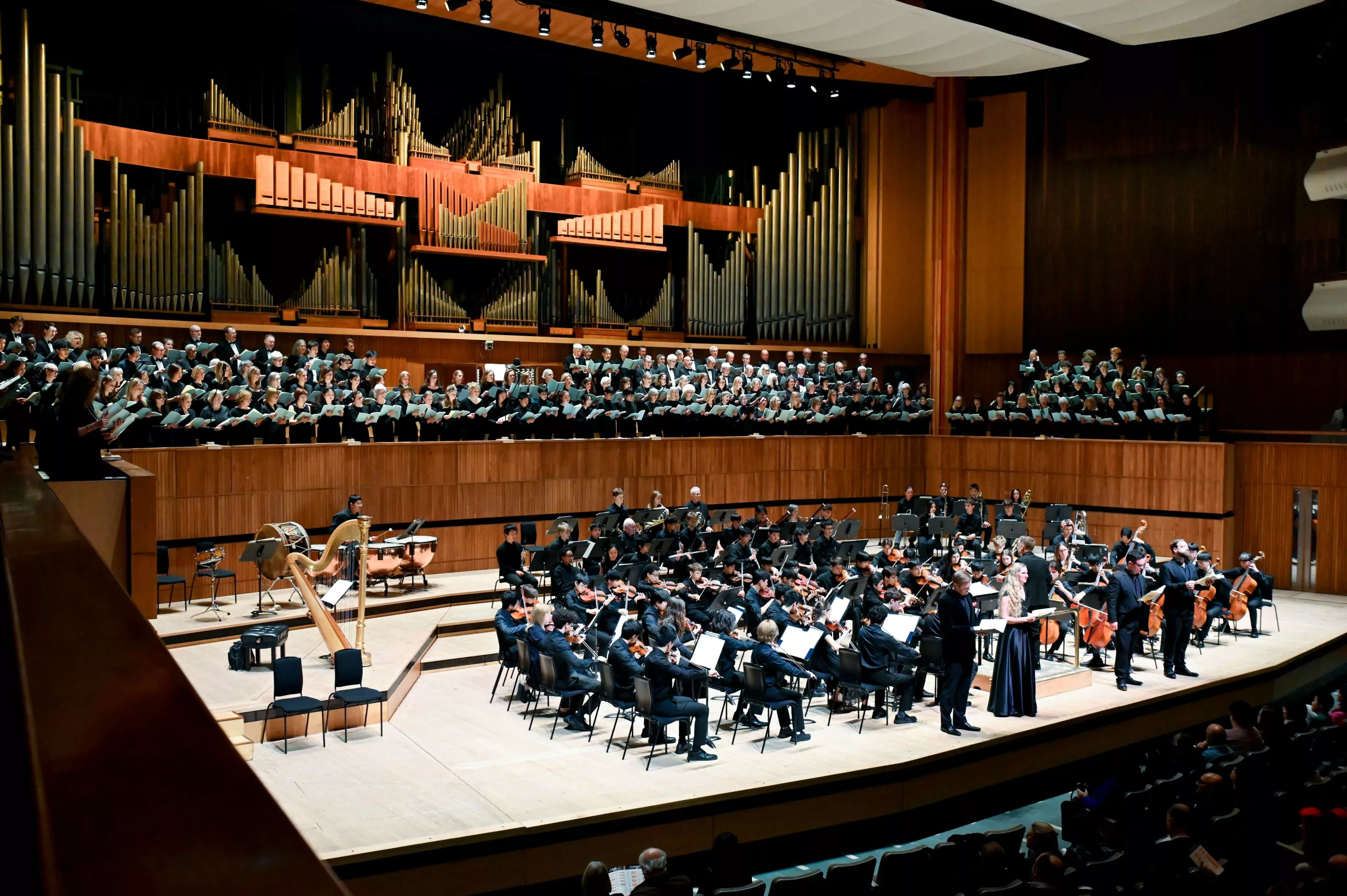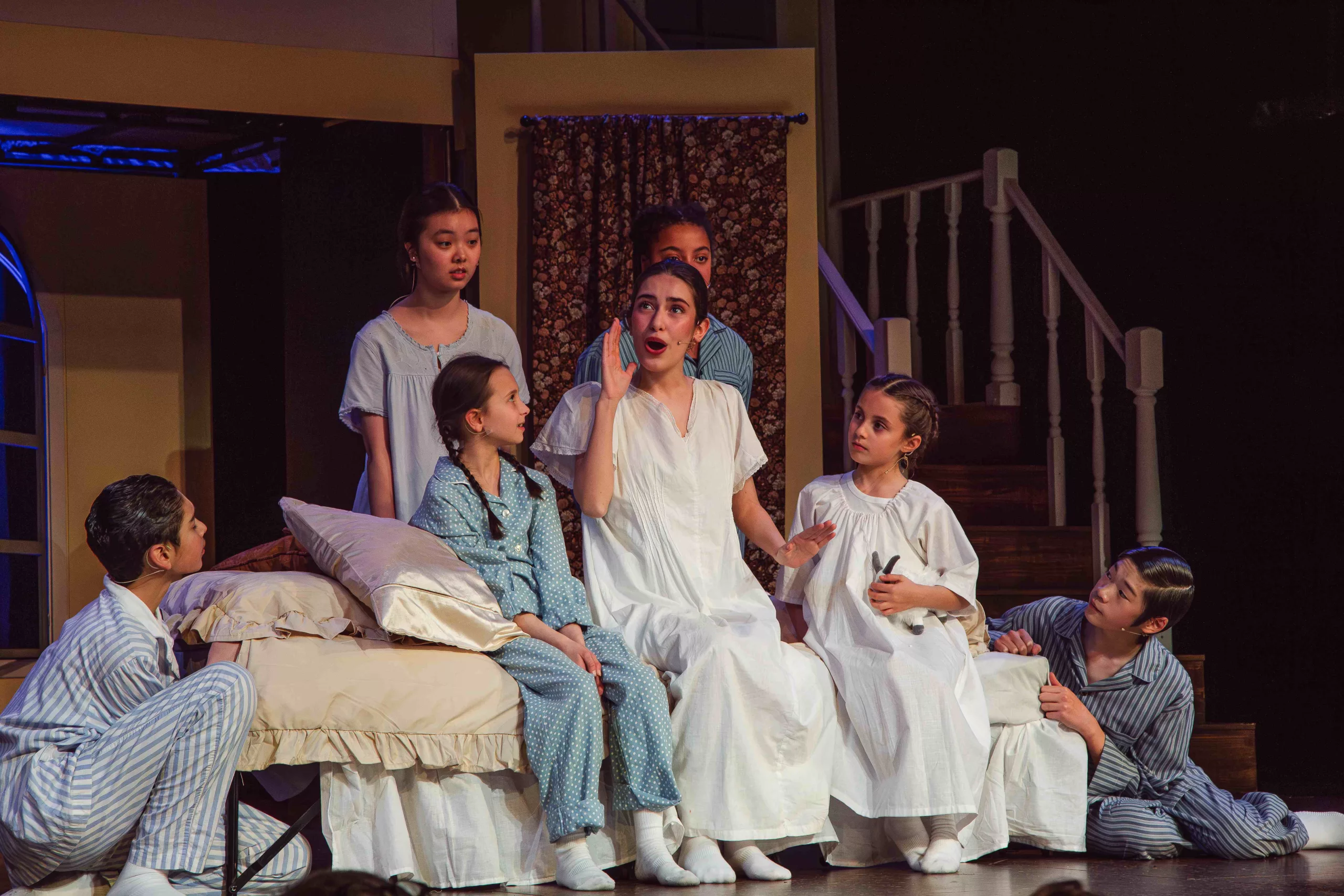
Alongside all the sport, the arts, society talks and expeditions that sit outside of the school day, pupils in the Lower School and Upper School also have timetabled co-curricular commitments
These are worked into the week around lessons and are designed to complement the curriculum. These provide pupils with new and different opportunities to engage with less familiar concepts, with one another and with the world around them.
Lower School
Lower School Activities (LSAs)
Pupils in Years 9 and 10 benefit from two or more, timetabled co-curricular activities, after School on Mondays, Wednesdays and Fridays, as part of the Lower School Activities (LSA) programme. There are over 30 different classes and workshops available to them, run by a combination of teaching staff and outside specialists. Pupils can choose the same activities throughout the year, or switch to new ones each term. LSAs include a mix of academic, sporting and musical pursuits, with diverse and niche courses available to pupils such as bookbinding, carpentry, robotics, board games, mythology and the Duke of Edinburgh Award Scheme. Some pupils choose to learn directly from a member of staff — for example, the School Archivist — gaining first‑hand experience of the workplace.
PE in Year 9
In Year 9, the LSA programme includes a specific component dedicated to PE. During their first half term, Year 9 pupils attend a compulsory PE LSA, which introduces them early on in their Westminster career to the Sports Centre as well as fitness tests, team sports, and education on nutrition and fitness. Many will choose to continue with at least one sports-based LSA in their Lower School career in addition to their Station commitments.
Fifth Form Arts Festival
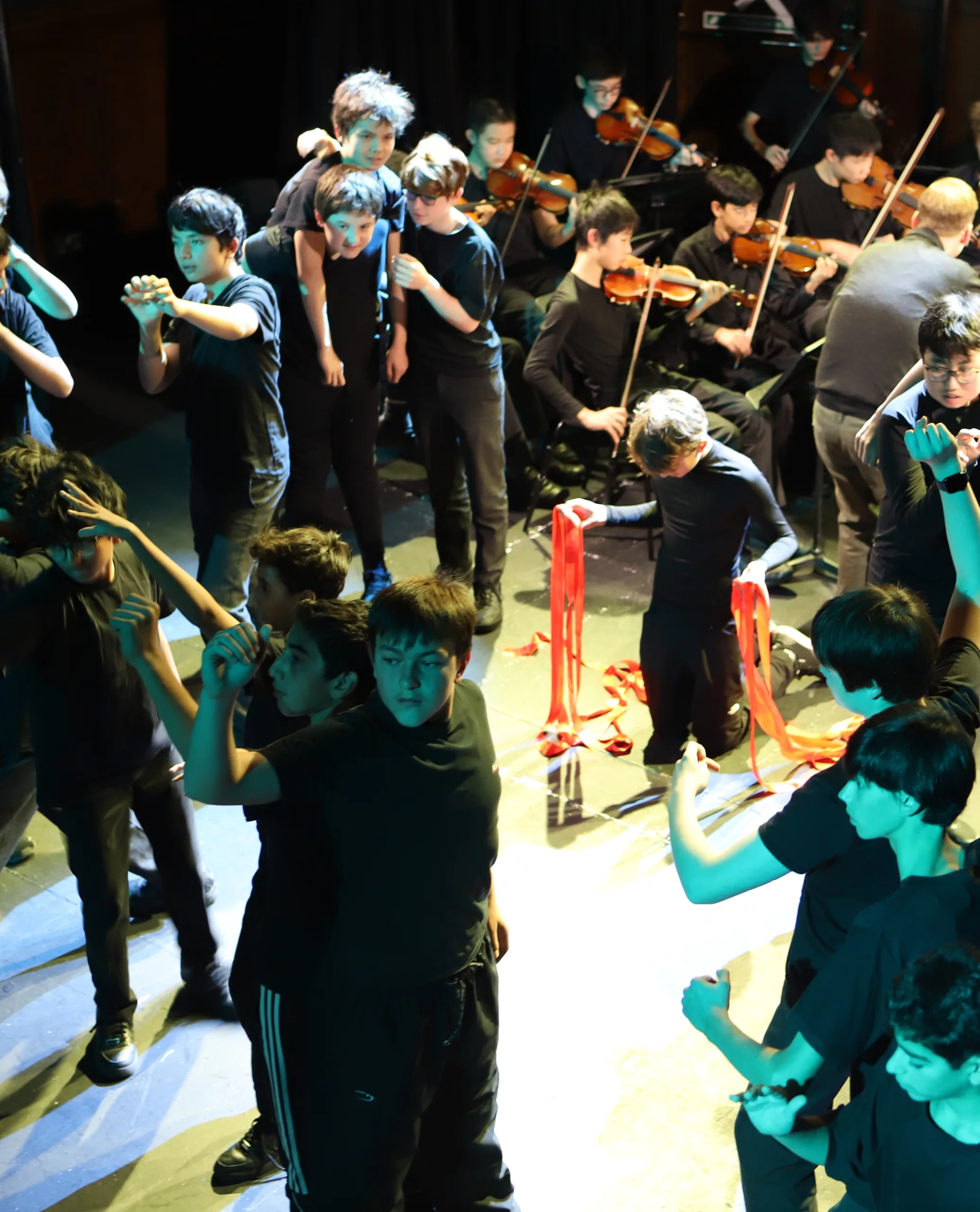
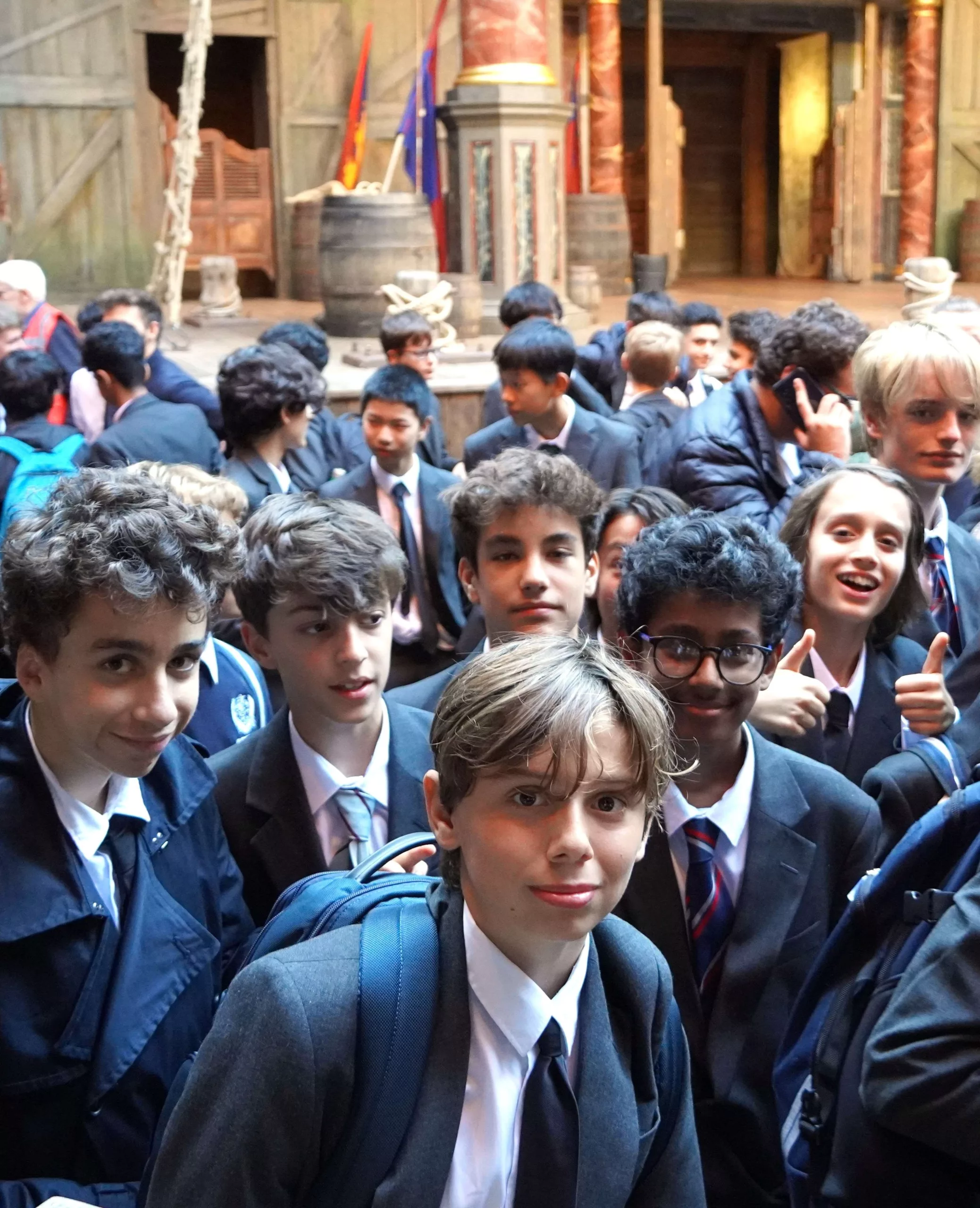
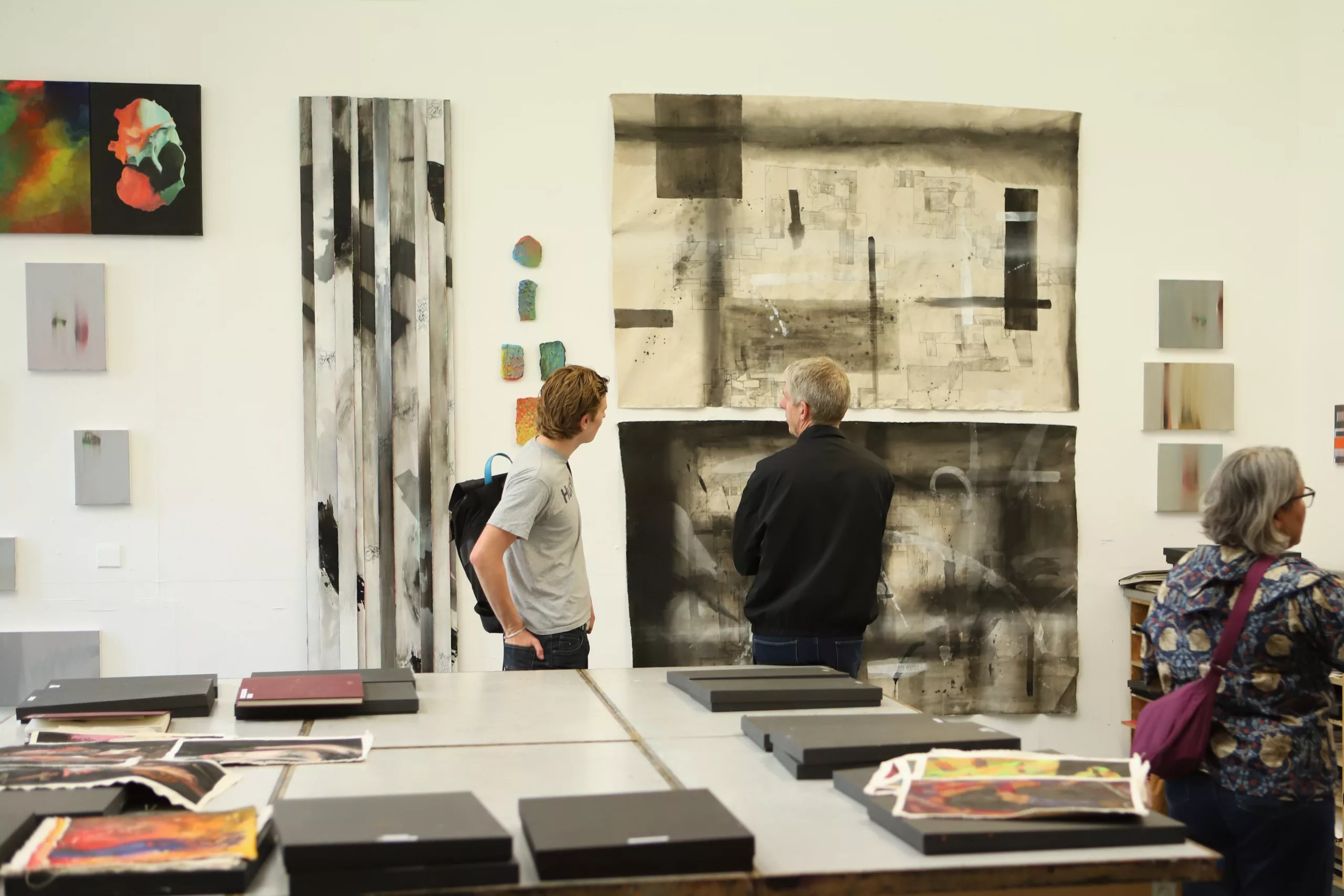
In addition, pupils in Year 9 take part in the School’s annual Fifth Form Arts Festival, almost an entire week dedicated to the celebration of music, art, and drama. Each year pupils delve into a new theme, from Greek mythology to Shakespeare’s tragedies, via workshops and rehearsals given by visiting professionals and trips to galleries. This collaborative co-curricular event culminates in a final performance and exhibition for parents and peers.
Upper School
To supplement their subject choices, pupils in Year 12 can take a variety of co-curricular courses. They also attend the long-established John Locke Lecture Series.
The Options Programme
The Options programme sits within the academic subject blocks and enables pupils to study an examined or non-examined course of their choosing for four periods per week. The breadth of choice enables pupils to pursue a new interest, acquire an additional skill, or extend their academic profile.
Options include studying an additional language such as Arabic, Italian or Japanese, learning British Sign Language, developing a practical skill such as film and video production or computer programming, or even training in how to teach English as a Foreign Language. Some pupils choose an Option that complements their existing subjects, while others select one that aligns with their intended university course.
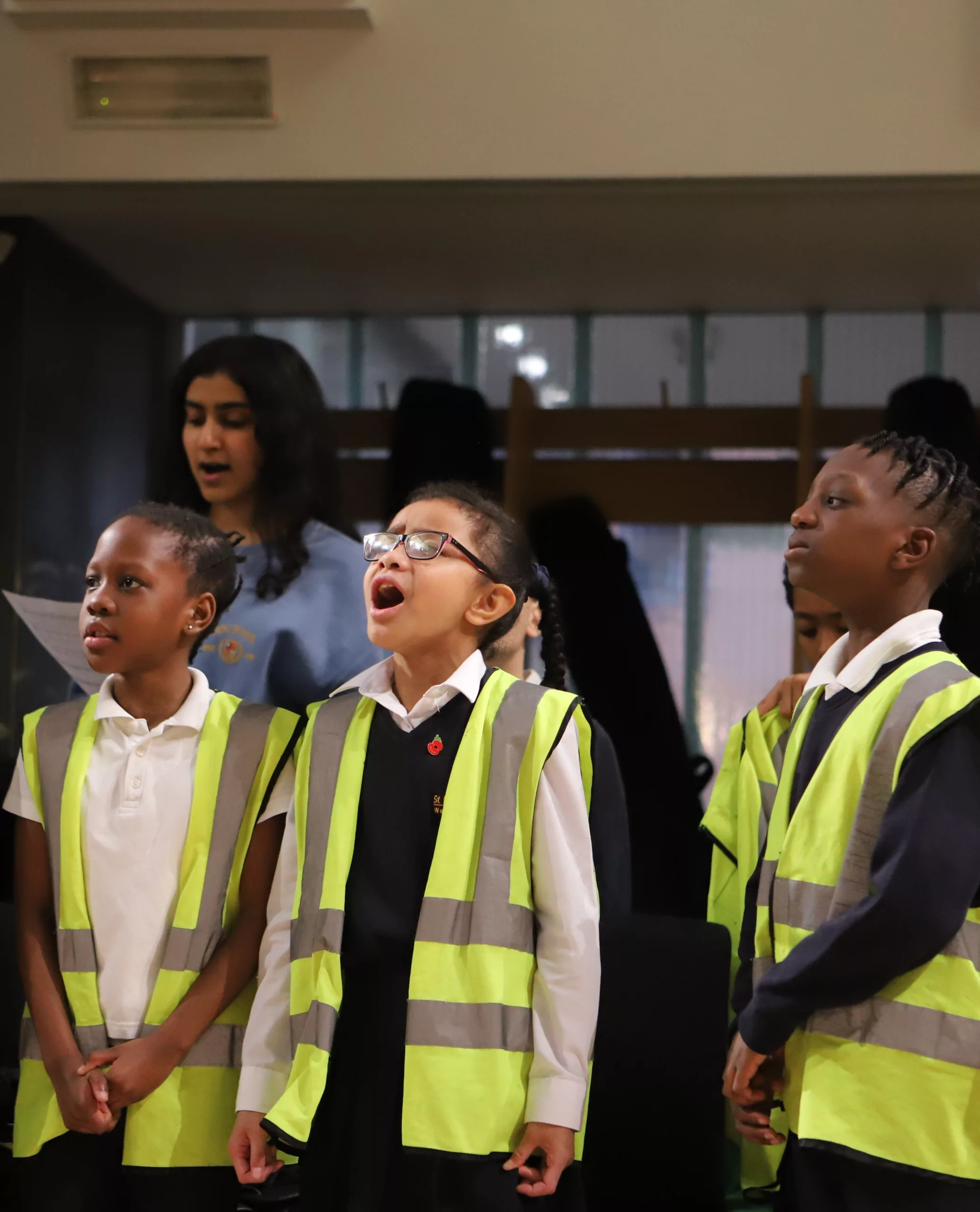
A particularly popular choice is the School’s Volunteering in the Community Option, through which pupils give their time to local charities partnered with the School. Pupils taking this practical course receive tailored training to support them in their chosen outreach placement, whether it be for teaching songwriting or astronomy to primary school pupils or performing in a hospital or care home.
Extended Project Qualification (EPQ)
As an alternative to the Options programme, pupils may choose to take an Extended Project Qualification (EPQ): an extensive independent project often involving a dissertation and presentation. EPQs at Westminster range across fields such as Economics, English, History, and Philosophy, enabling pupils to develop sophisticated research, essay‑writing, and analytical skills, and to present their findings in a clear and concise manner.
Some pupils might instead pursue an ‘Artefact’ EPQ, a practical project centred on creating something. Westminster pupils have undertaken Artefacts in Computer Science, Electronics and Physics, among other subjects. Recent Artefacts have been completed in Computer Science, Electronics, Physics, and Design disciplines. Pupils enjoy the freedom afforded them by EPQs, as they can choose their topic, define their own research question, and take ownership of their learning. Universities regard EPQs highly, recognising them as evidence of independence, curiosity and academic maturity.
Cultural Perspectives Programme
The Cultural Perspectives programme is designed to expand our pupils’ cultural and critical awareness within a wider global context. It challenges assumptions about the universality of present‑day norms and encourages pupils to explore how societies across time and place construct identity, values and ways of seeing the world. Courses allow pupils to consider why attitudes or behaviours shift, how communities define themselves, and how we can meaningfully engage with societies that initially appear remote or unfamiliar.
The richness of the programme reflects the wide-ranging and varied interests of the teaching staff. Past examples have included: the psychology of fundamentalism; a history of the imagination; the constitutional future of the United Kingdom; psychogeography; facing east, a view from the west; deep time; medical ethics and changing attitudes; and the economics of nationhood. One of the great attractions of the courses is the freedom it offers pupils to explore areas well beyond conventional examined subjects. Each year, prizes are awarded for essays written in response to the experience, recognising originality, insight and intellectual engagement.