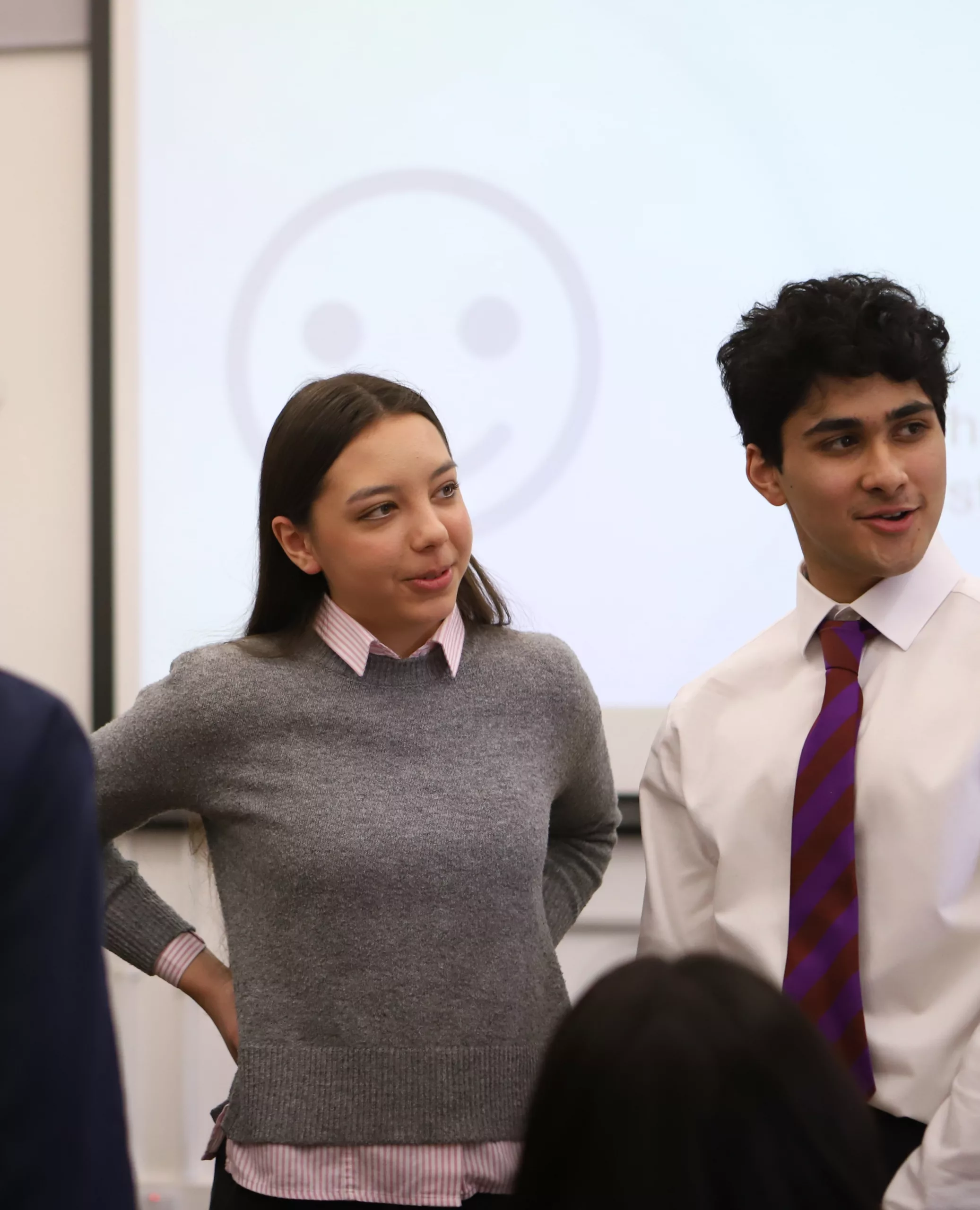
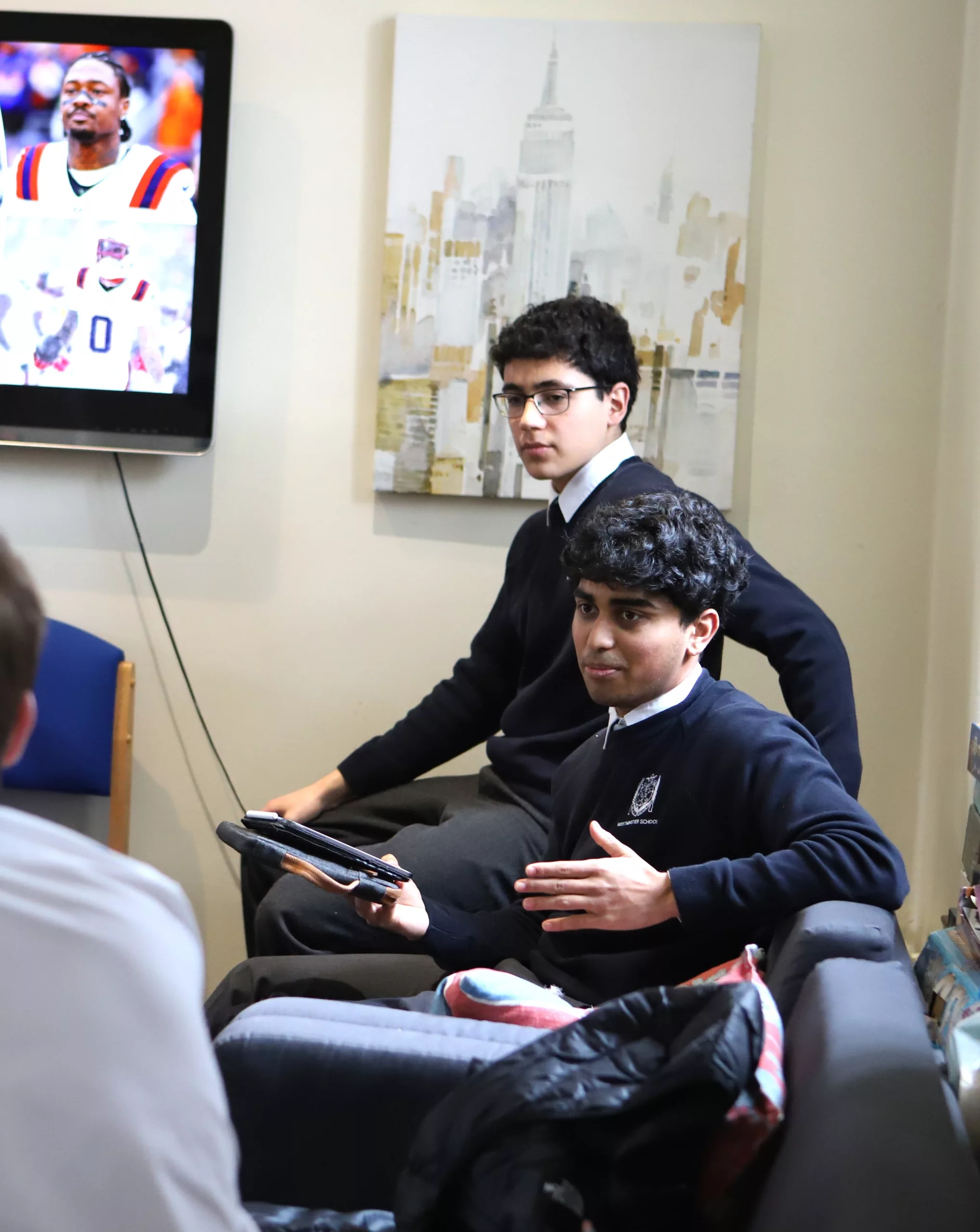
There is a society for everyone at Westminster, mostly led by pupils and shaped by their interests. No matter how obscure a topic may seem, it is very likely that at some point there will be a group of pupils discussing it at length.
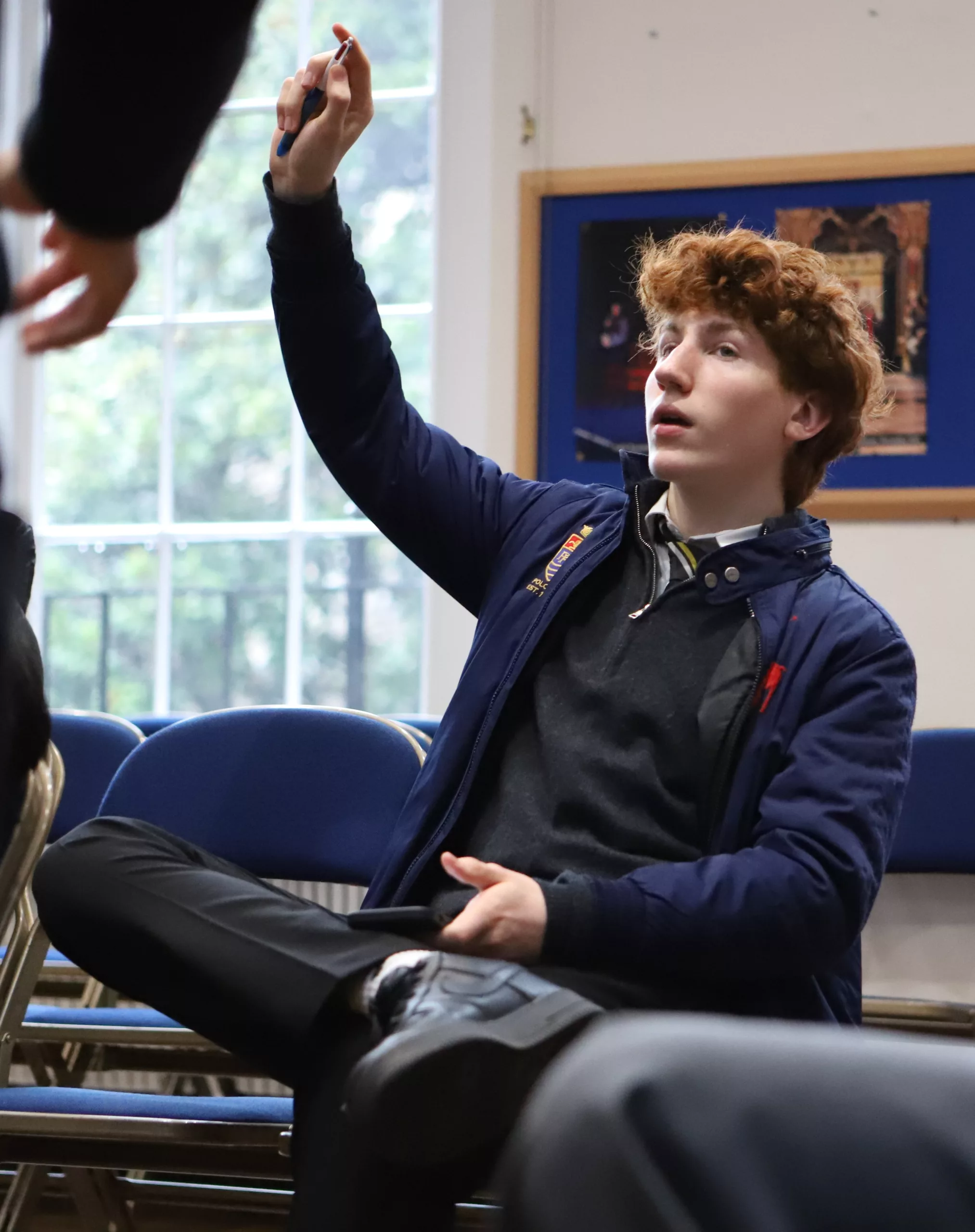
From Pop Society to Gaming Society, from African Caribbean Society to Art History Society, from Literature Society to Psychology Society, a multitude of pupil‑led talks run throughout the week and after school, and are open to the whole school community.
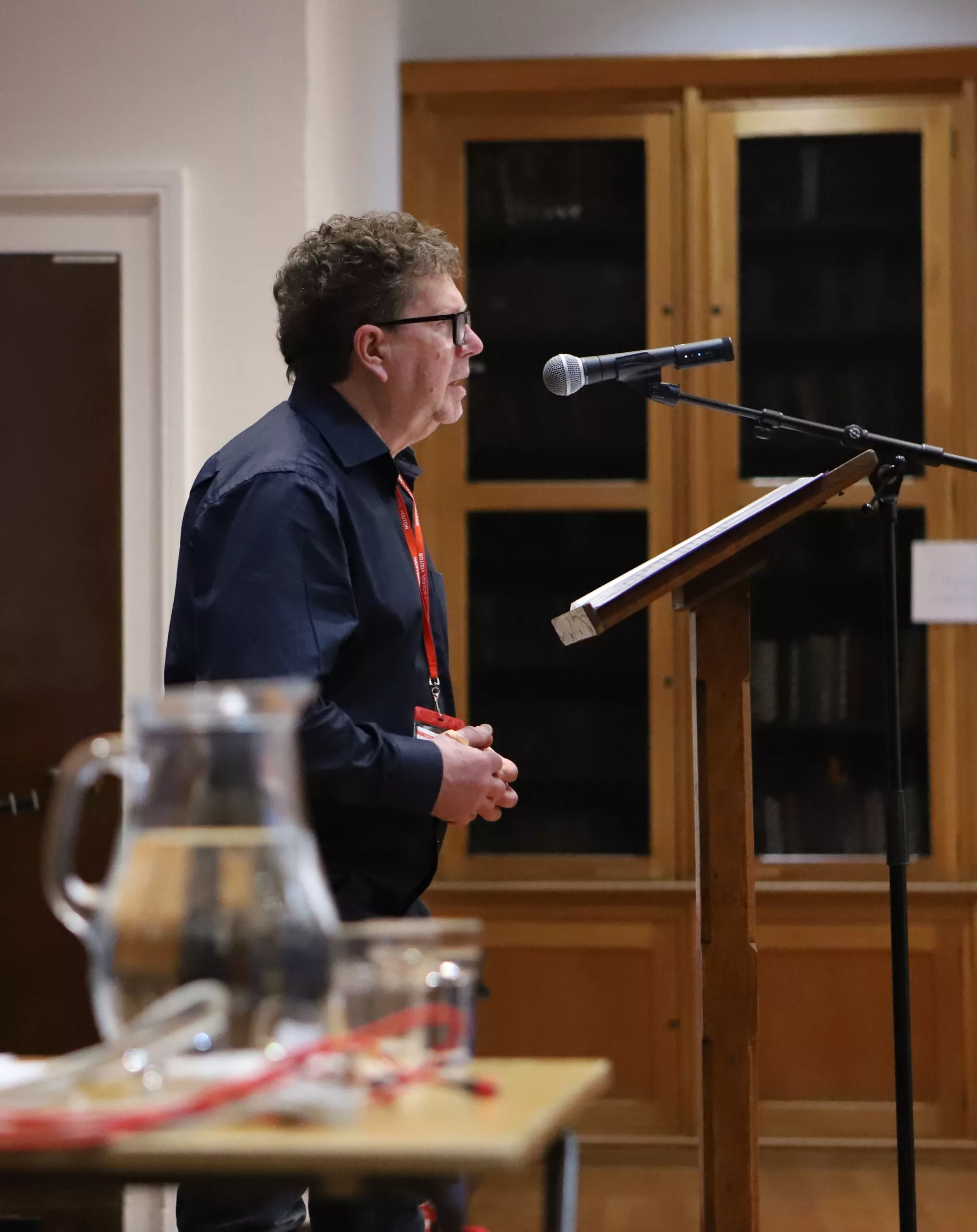
Society meetings foster debate and expand knowledge. Careers events invite back Old Westminsters to speak about their experiences of higher education and their career trajectories since, industry specialists are invited in to talk about businesses they have set up or led, and teachers often take to the floor to apply their specialisms to more niche subject matter.
Often, societies collaborate to cover a theme that straddles several genres. Societies also run larger-scale events, MUN conferences, debating competitions and quizzes that are organised solely by pupils in the Upper School (Years 12–13) and that welcome involvement from younger pupils, who go on to become their successors. The School also runs a Lower School Societies Week every year, to encourage pupils in Years 9 to 11 to speak at talks.
About our Lectures
John Locke Lecture Series
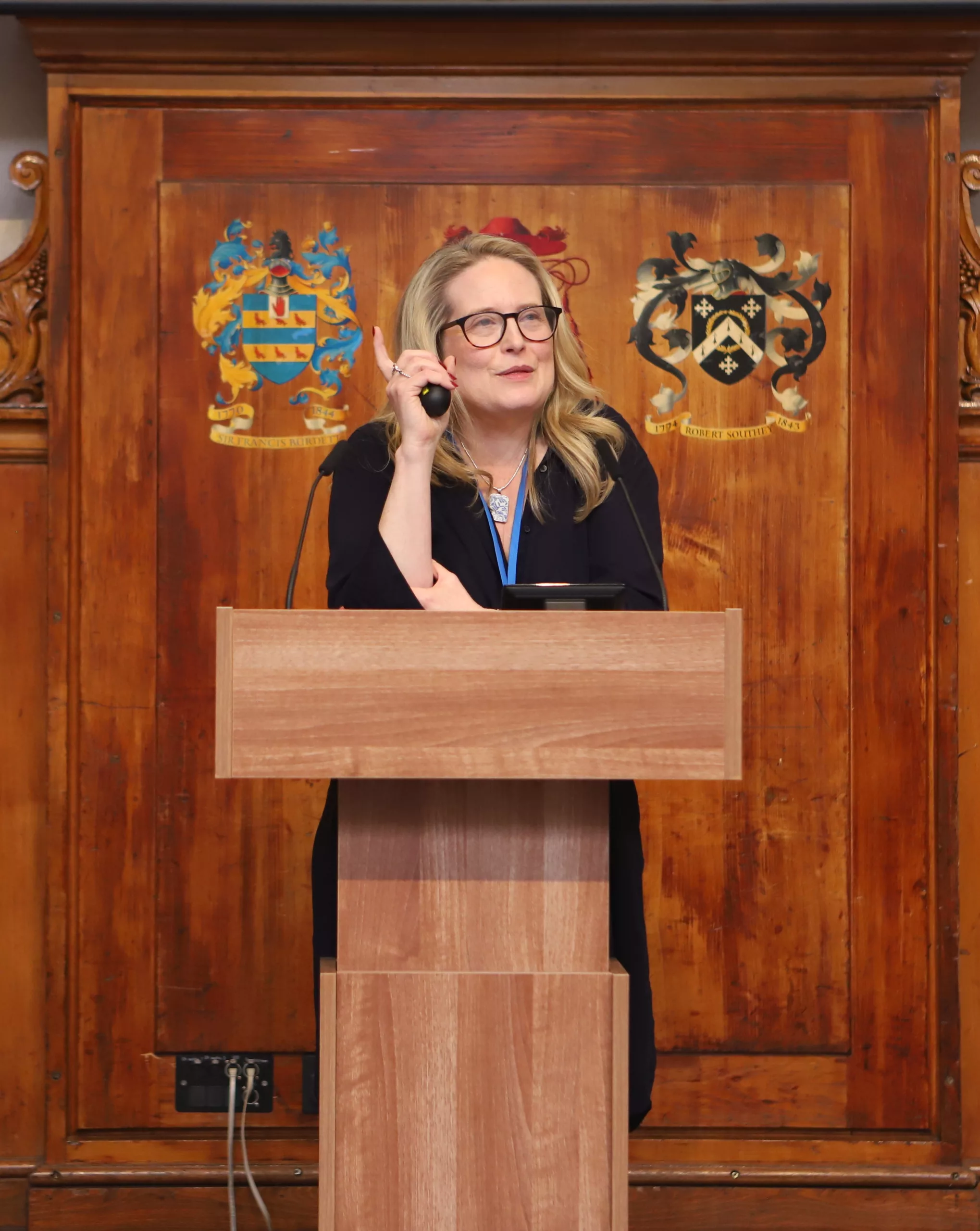
The School’s John Locke Lecture Series reflects Westminster School’s commitment to intellectual curiosity, rigorous debate, and preparing pupils for leadership in a global society.
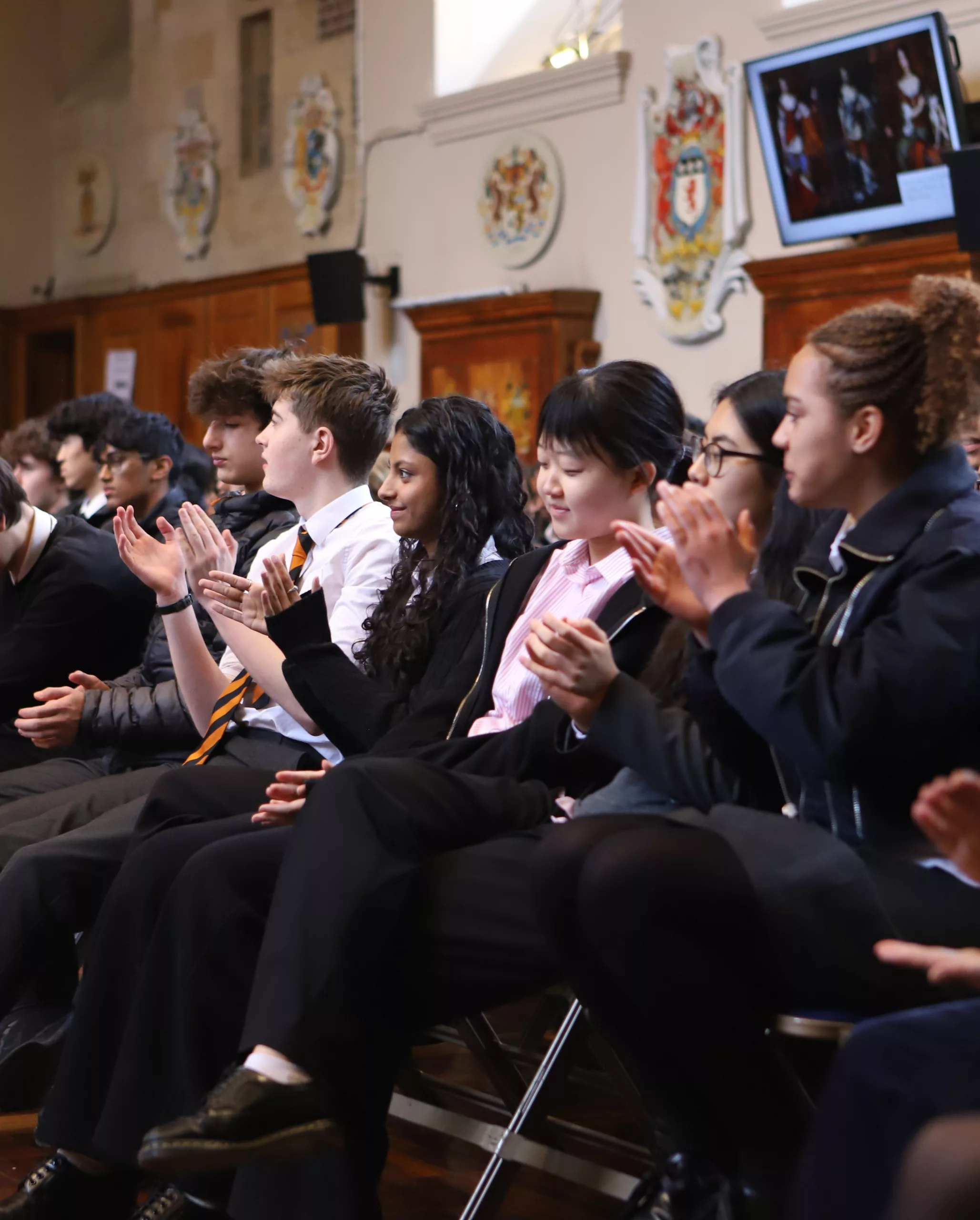
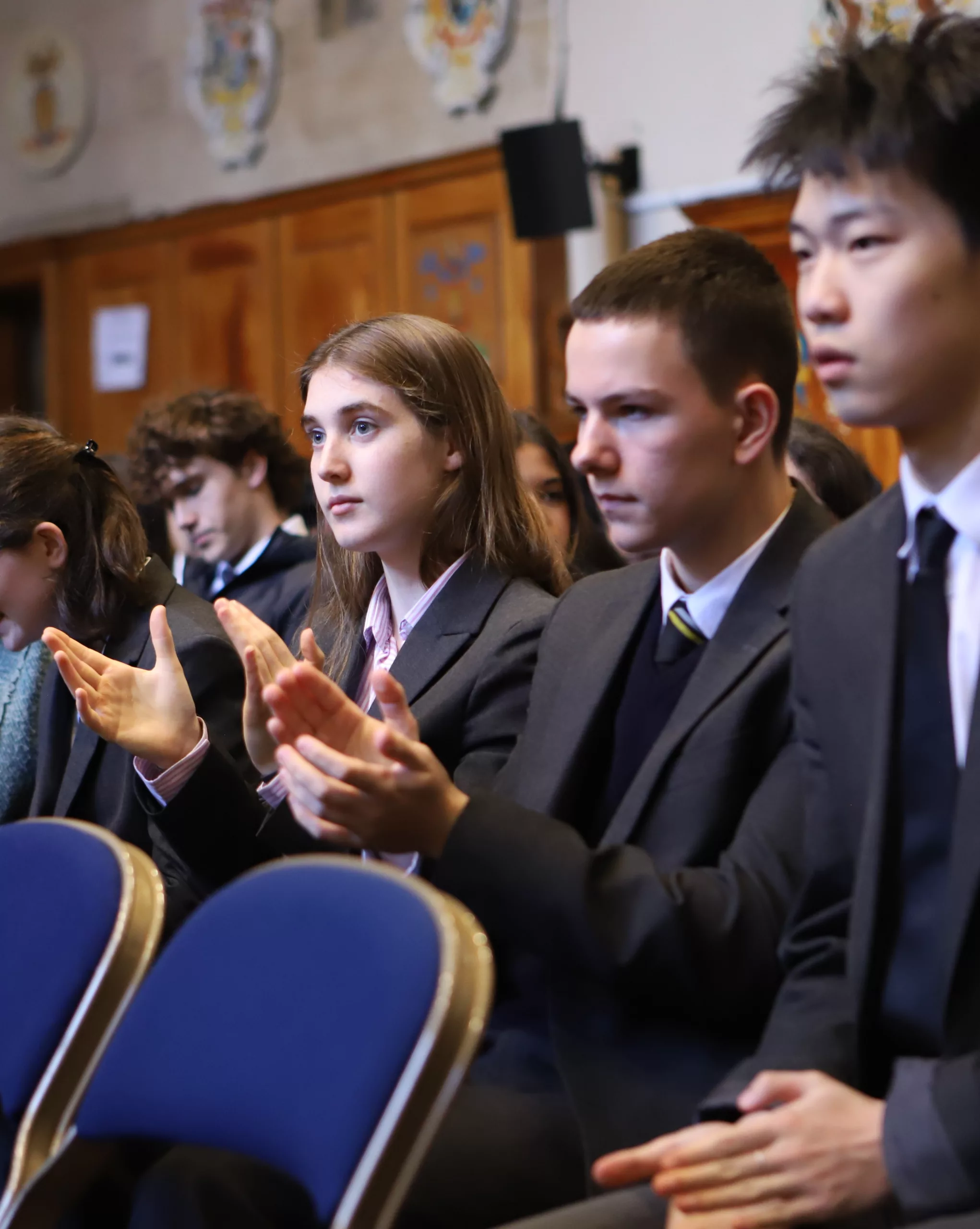
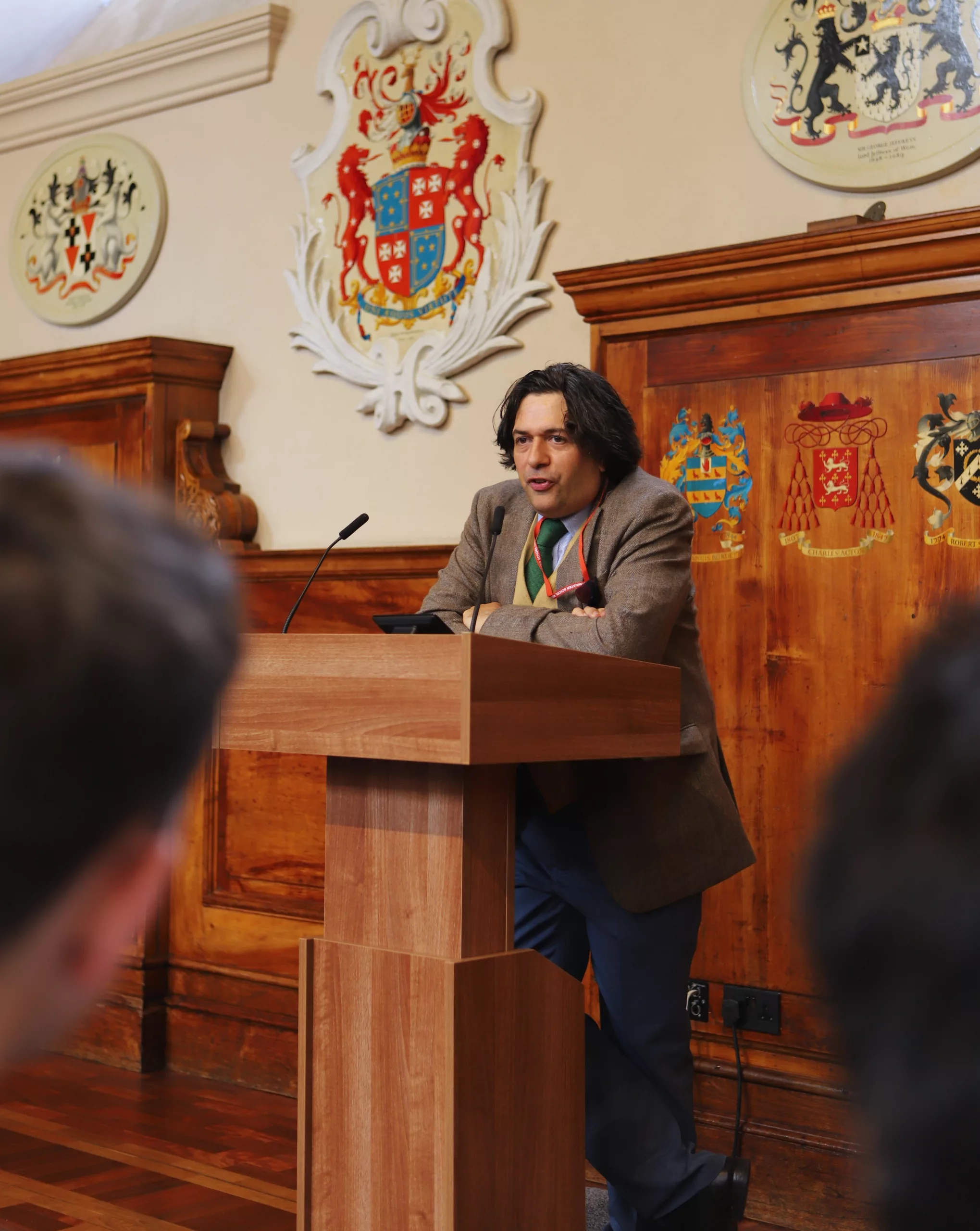
Named after the 17th century philosopher – a Westminster pupil – Locke Lectures are designed to foster critical thinking and academic excellence. They take the place of lessons in autumn and spring for the Sixth Form, complementing the intellectual life of Year 12 pupils. Its frequency means that pupils are exposed to a wide range of prominent speakers — a bit like having ten speech days in two terms.
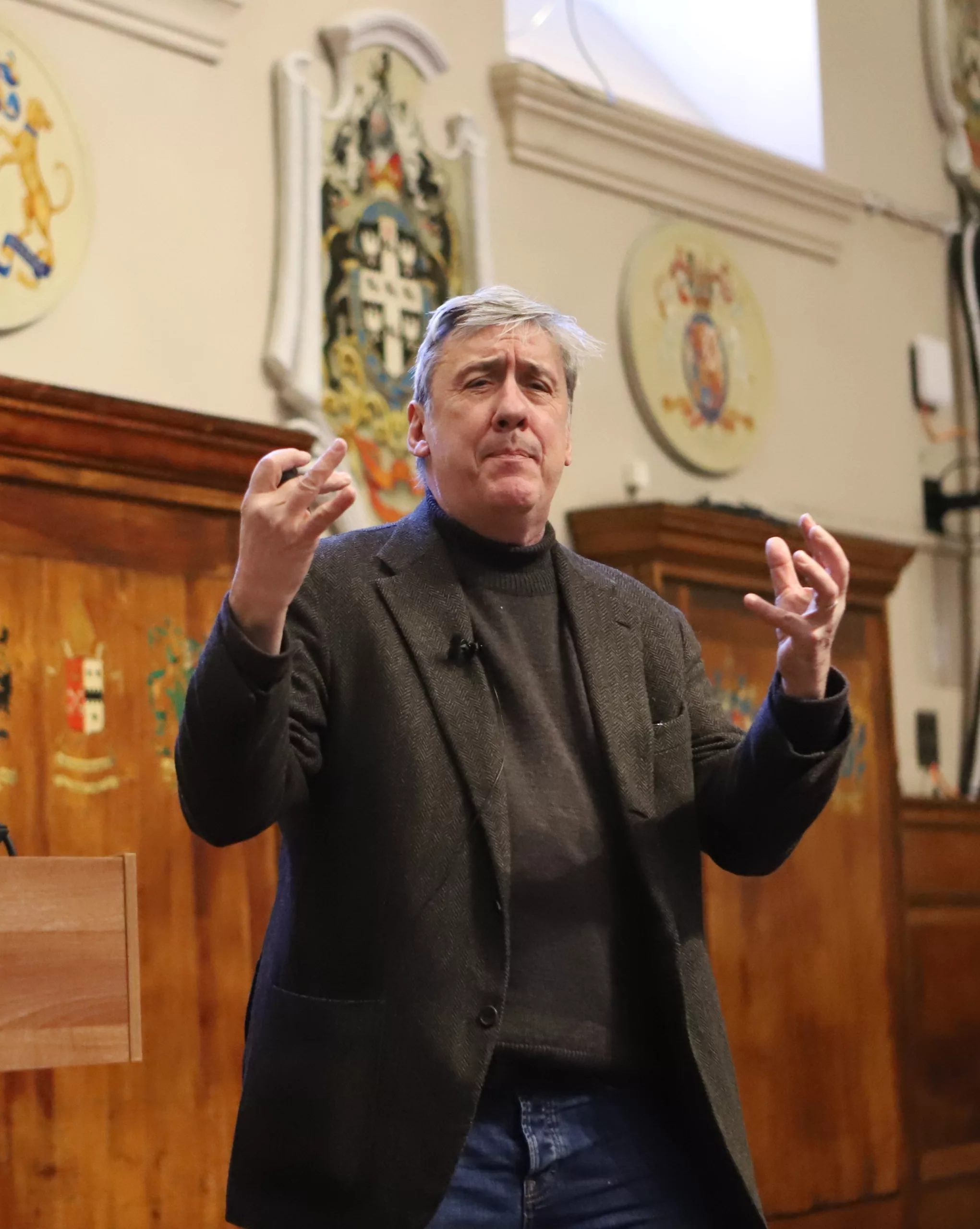
Eminent speakers from the worlds of business, politics, culture and academia address pupils and engage in lively debate and Q&A on a broad spectrum of topics and viewpoints. Locke lunches often follow lectures, giving pupils a platform to engage in conversation and ask more detailed questions in an informal setting. John Locke speakers have included Sir Vince Cable, Lady Fiona Carnarvon, Jim Carter, Sir Richard Dearlove, Jonathan Freedland, Andrew Graham Dixon, Dominic Grieve, Sir Jeremy Hunt, Sir Tristram Hunt, Baroness Lawrence, Robbie Lyle, Dame Antonia Romeo, Sir Anthony Seldon and Sir Simon Schama.
For more information, contact Dr Sébastien Blache, John Locke and Horizons Lectures Coordinator.
Horizons Lecture Series
The Horizons Lecture Series exists to build experiences for pupils to access ‘the global good’ in educational practice, especially at higher education level. It runs throughout the year, outside the timetable and for the whole school community to attend. The Lecture Series is intended to open up opportunities for pupils to see global best practice in other areas of public life.
The lectures take place after school and are often followed by a reception in which audience members can meet the speaker and ask further questions. They can take different forms depending on the nature of the talk. In one instance, a Year 13 pupil with an interest in theatre tech interviewed renowned theatre director and former Westminster pupil Michael Attenborough, and in another, we hosted Royal Astronomical Society president Professor Mike Lockwood in a seminar-like setting.
For more information, contact Dr Sébastien Blache, John Locke and Horizons Lectures Coordinator.
Maurice de Pange Lecture Series
This French lecture series honours Maurice de Pange (OW 1911–1927), who died at the age of just 16. Westminster’s Archives hold all of Maurice’s memorabilia (letters, reports, books, vocabulary books) from his schooldays. Whilst a devoted ambassador for his native country, Maurice was so adamant about perfecting his English that he kept an expression book in which he consigned all new phrases, and he wrote exclusively to his parents in English. His letters – The English Schooldays of a French Boy – were published posthumously in 1928. They provide a fascinating account of life at Westminster in the 1920s and reflect the breadth of Maurice’s interests and his enthusiasm for all that Westminster offered him.
The Maurice de Pange Lecture Series aims to project the character of Maurice, a young man of great intelligence and liberalism, inspiring pupils to surpass themselves, to be as good ambassadors for their country as he was for his, and to continue to enjoy French. Recently, Francophones have heard from writer and author, Katie Pangonis, on her book A History of France in 21 Women, from journalist and author, Nabila Ramdani, on her book Fixing France: How to Repair a Broken Republic, and from broadcaster and film critic, Muriel Zagha, who showcased 20th-century France in ten films. They also enjoyed a special Maurice de Pange concert of French songs on the piano with musician and Westminster maths teacher, Giles Hayter.
The Maurice de Pange Lecture Series is run by the John Locke and Horizons Coordinator, Dr Sébastien Blache.
Tizard Lecture
The annual Tizard Lecture has run since 1963. Established in honour of Old Westminster, chemist, and inventor Sir Henry Tizard, this prestigious lecture series is pupil‑focused and explores themes relating to science and technology. The inaugural lecture was given by physicist and Nobel Prize winner Sir George Thomson, who spoke on Science, the universities and industry.
Since then, the School has welcomed an impressive list of speakers, including: theoretical physicist and science populariser Professor Jim Al‑Khalili on Paradoxes; professor of astrophysics Katherine Blundell OBE on Christopher Wren’s Cosmos; evolutionary biologist and bestselling author Richard Dawkins on Life, the universe, and everything; historian of science Professor Lisa Jardine on Robert Hooke: armchair anthropologist; Nobel Prize winner Sir Peter Medawar, regarded as the “father of transplantation”, on Popular misconceptions on the scientific process of thought; award‑winning materials scientist Dr Anna Ploszajski on The science of swimming the Channel; former Astronomer Royal Lord Martin Rees on Cosmology and the limits of physics; and professor of planetary sciences Sara Russell on To asteroid Bennu and back.
The Tizard Lecture is run by Astronomer-in-Residence, Professor Kevin Walsh.
Tizard Discourse
The Tizard Discourse is smaller and more informal than the higher-profile and long-established Tizard Lecture. It is also held annually and provides an interdisciplinary forum through which members of the Westminster community can hear about the research and interests of an eminent scientist and thinker, usually an Old Westminster. The event inspires pupils, staff and parents – past and present – to engage with real‑world and topical scientific challenges.
Recent speakers include Dr Konrad Wagstyl (2025) who explored groundbreaking uses of artificial intelligence to diagnose epilepsy, demonstrating how interdisciplinary science can drive profound medical advances, and Dr William Barrie (2024) who spoke on 10,000 years in the making: unravelling human history, health and hvolution through ancient DNA.
The Tizard Discourse is run by Astronomer-in-Residence, Professor Kevin Walsh.
Pupil‑led Societies
The culture of pupil‑led societies at Westminster is always evolving, with new societies arising each year. This gives pupils the chance to work independently, and with the support of a member of staff, to establish regular dialogue on a subject of their choosing, instilling independence and encouraging organisational, speaking and broader communication skills. For many pupils, this infrastructure gives them the confidence to pursue public speaking in a safe and positive space where their peers want to hear from them and learn from them.
Certain meetings manifest as workshops, in which members of the school community, including pupils from our partner schools, come together to hear from authors, dramatists and others, and to create something under the guidance of those individuals and organisations. The School also organises several lecture series each year, designed to provide opportunities for pupils to learn from global experts. These series are longstanding and aim to cover a broad range of content.
-
"It’s a great environment to be in; the School encourages all sorts of broadening of intellectual and social horizons – but also they don’t mind if you just want to have a bit of fun."
— Baron, Year 12 pupil