What pupils choose to do outside lessons can be as varied as what happens within them. At WUS, that might mean rowing, Art History, filmmaking, or starting their own lunchtime club. Nearly 50 before- and after-school Extras sit alongside a changing mix of clubs and societies, with pupils pursuing existing interests and discovering new ones along the way.
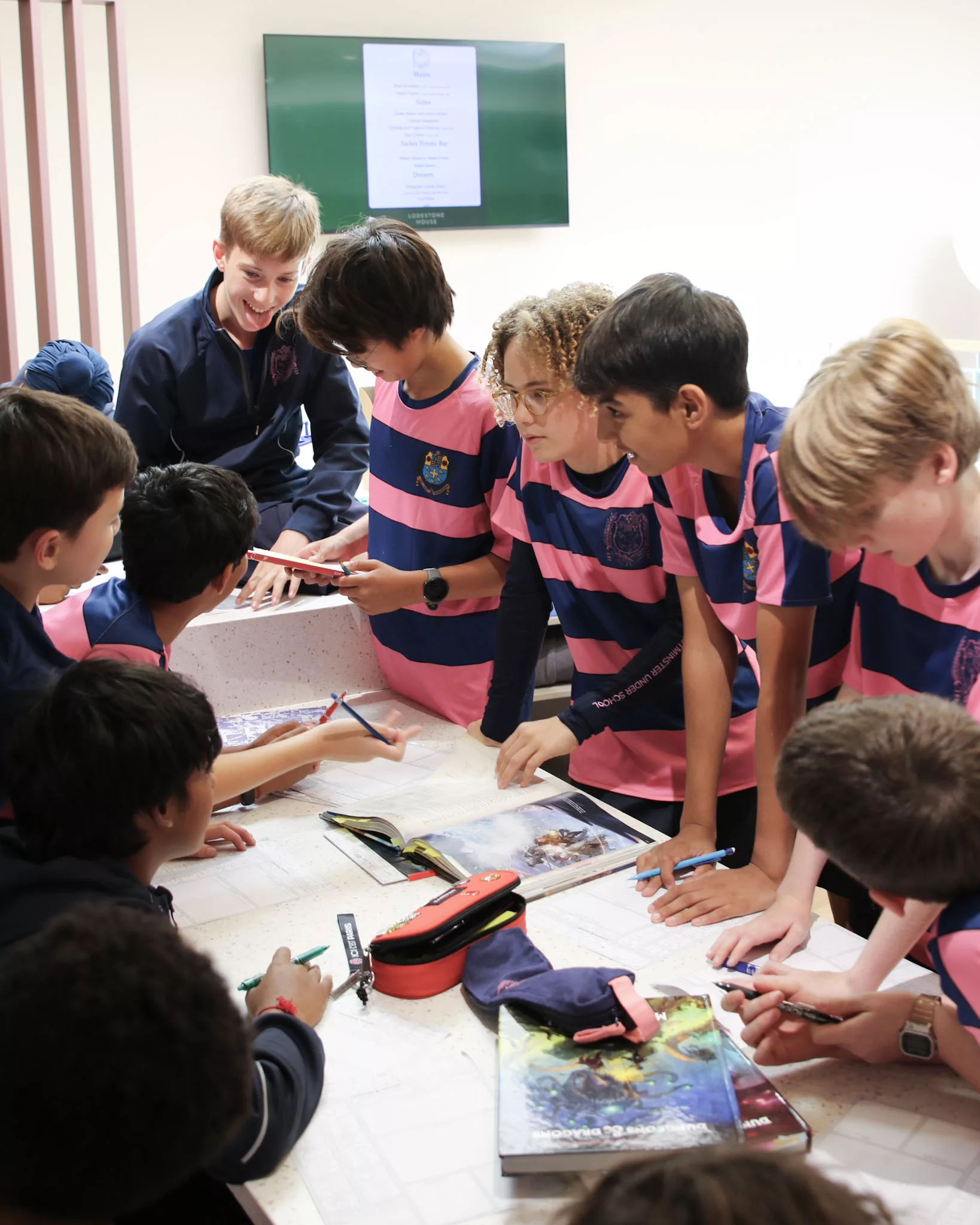
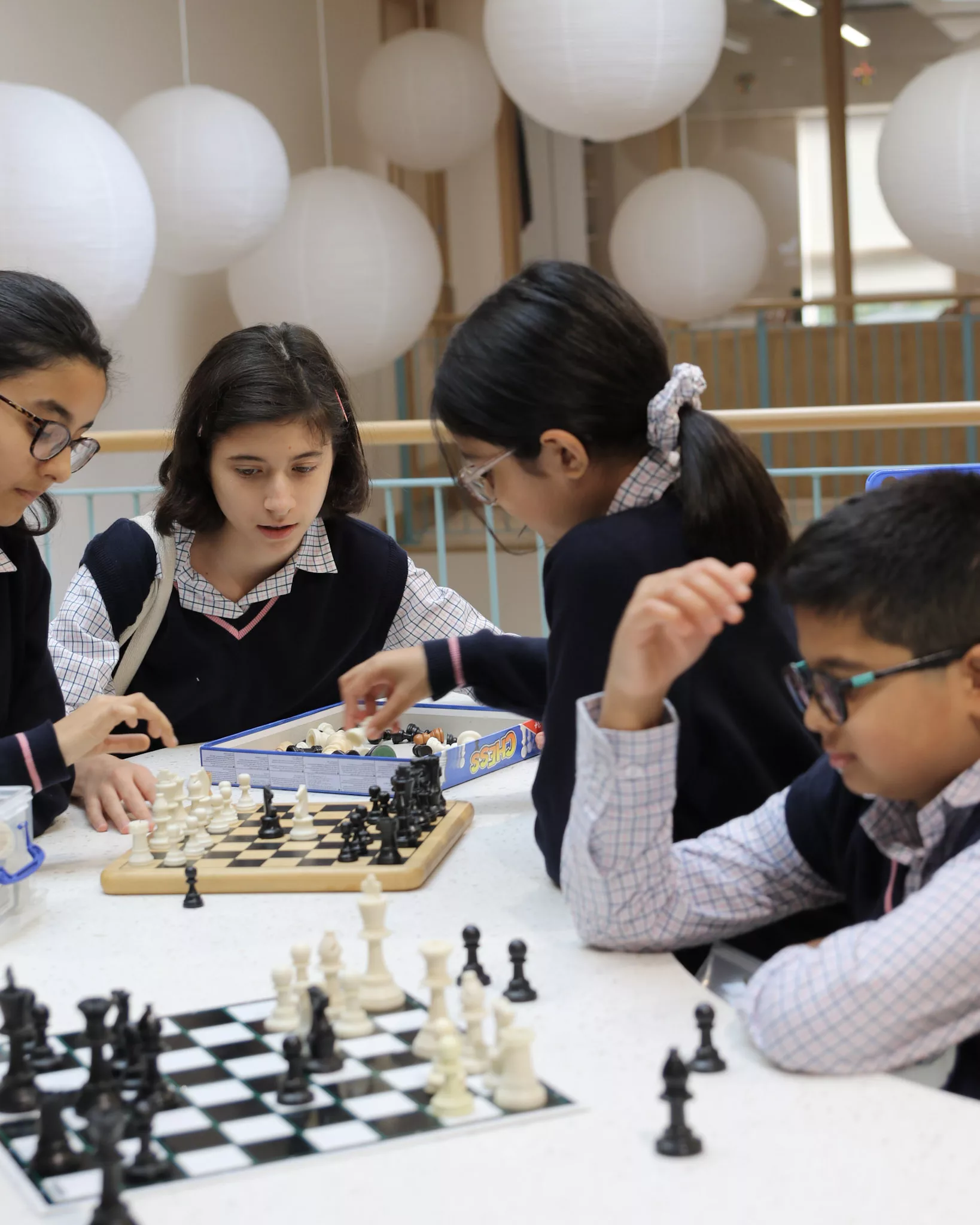
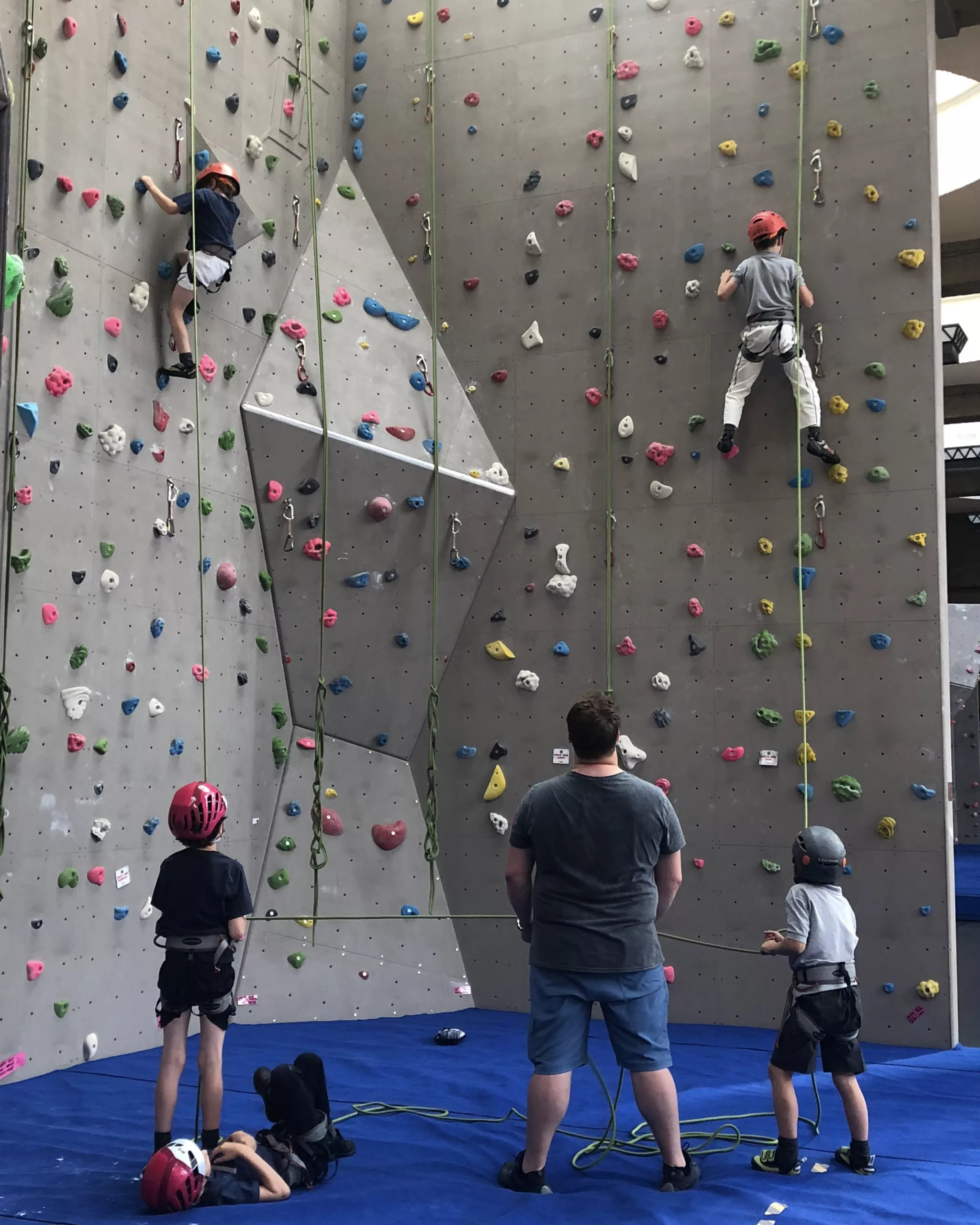
At 7.00am, some pupils are already out rowing or swimming; by lunchtime, others might be debating, playing chess or gathering for Dungeons & Dragons (D&D). After lessons, activities continue, from climbing and cricket to drama and musical theatre.
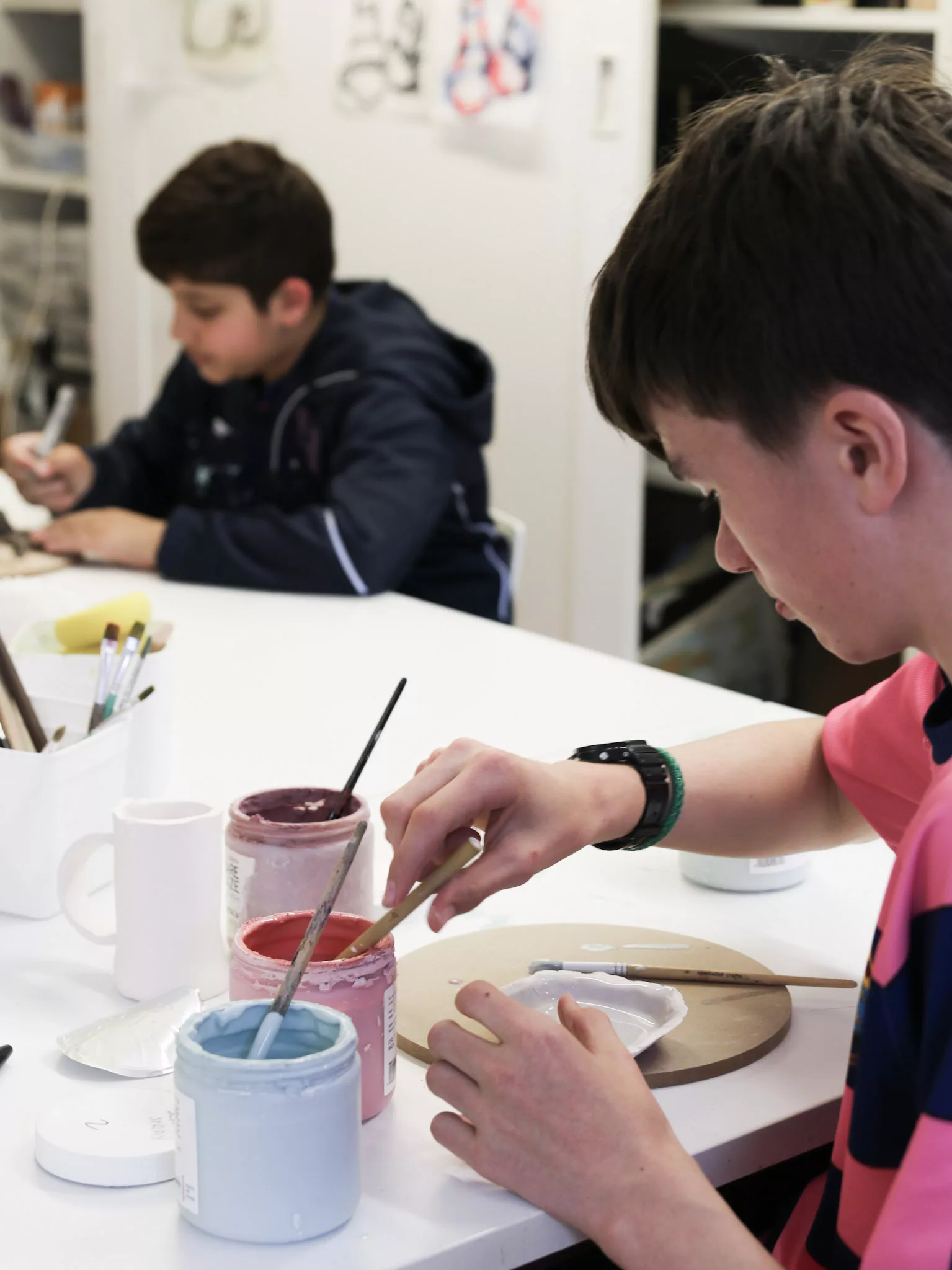
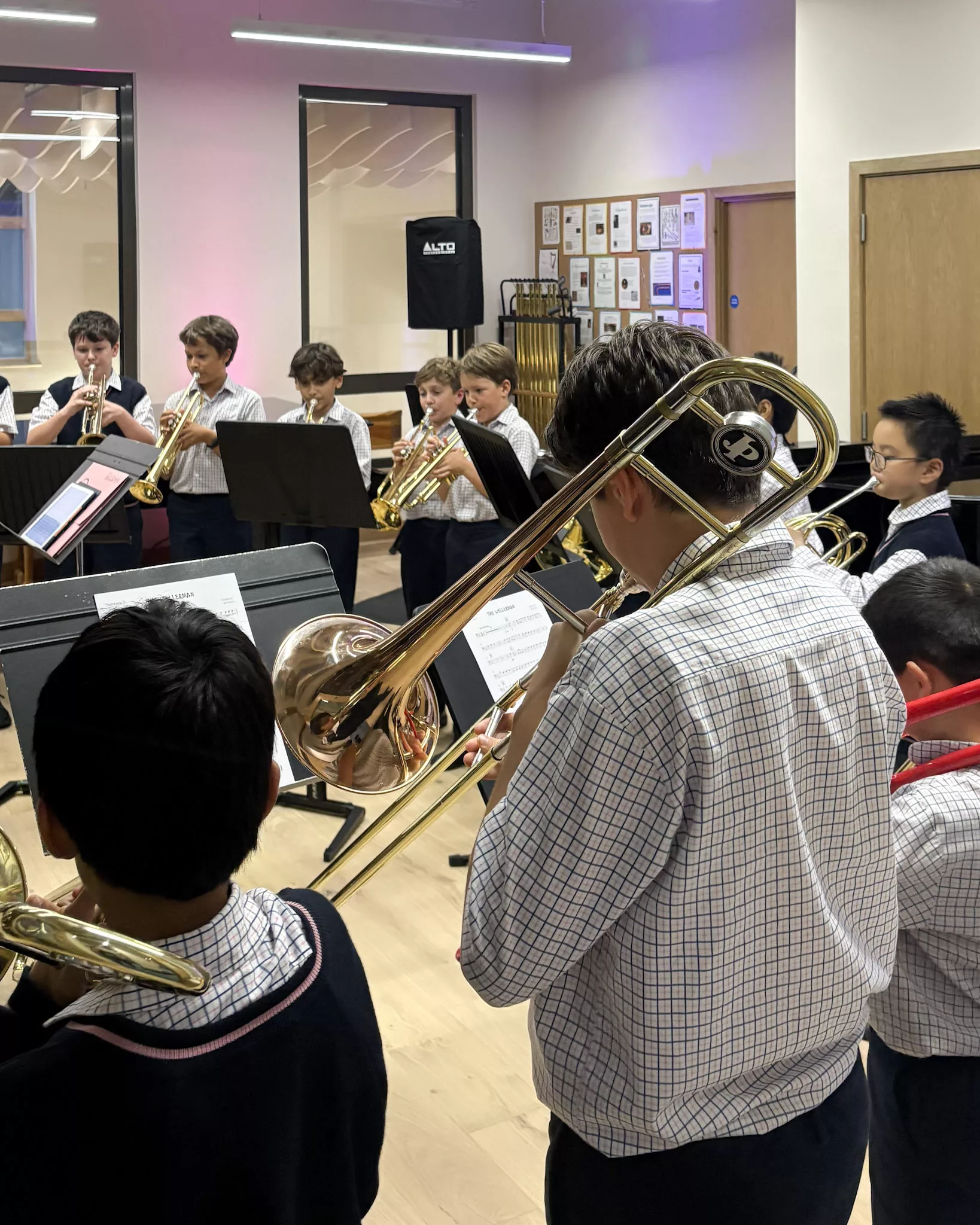
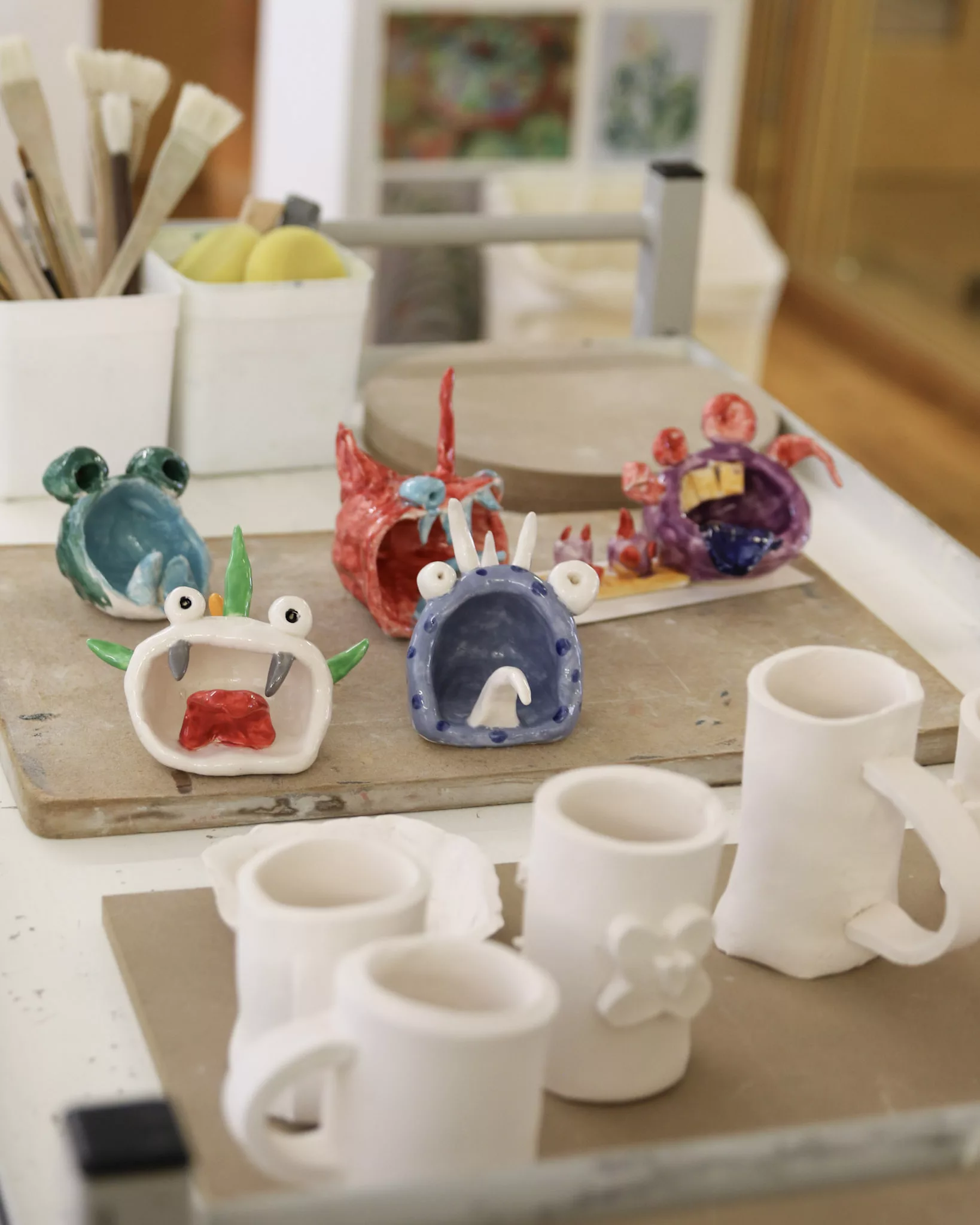
There are currently 49 before- and after-school clubs and activities, known at WUS as Extras. Sport features strongly, with choices ranging from rowing, cricket and fencing to climbing, parkour and table tennis. Elsewhere, pupils can take part in chess and bridge, clay modelling and filmmaking, dance, drama and musical theatre, LAMDA and Magic Club.
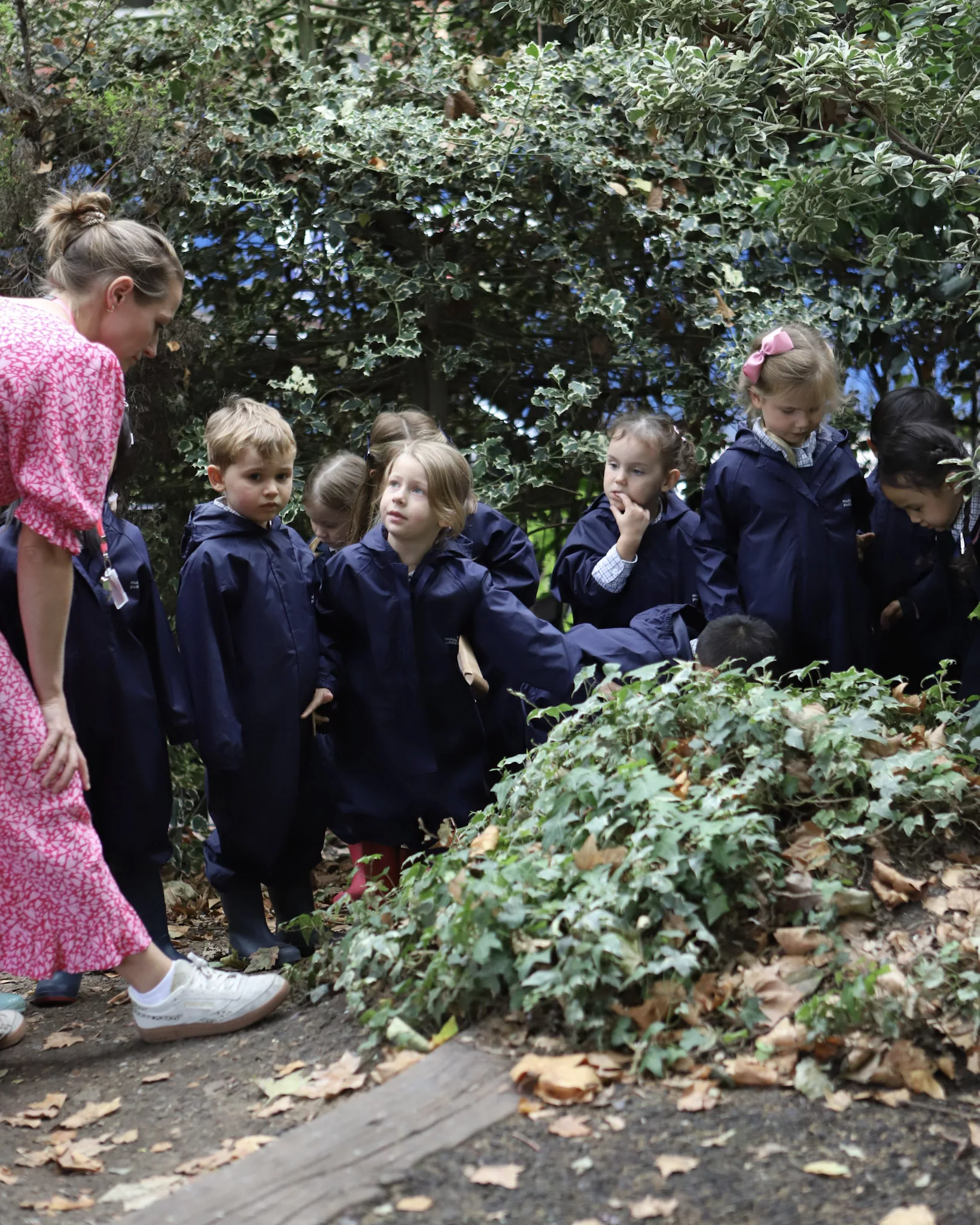
Younger pupils have their own programme, with EYFS Extras ranging from construction and playground games to puzzles, dance and movement.
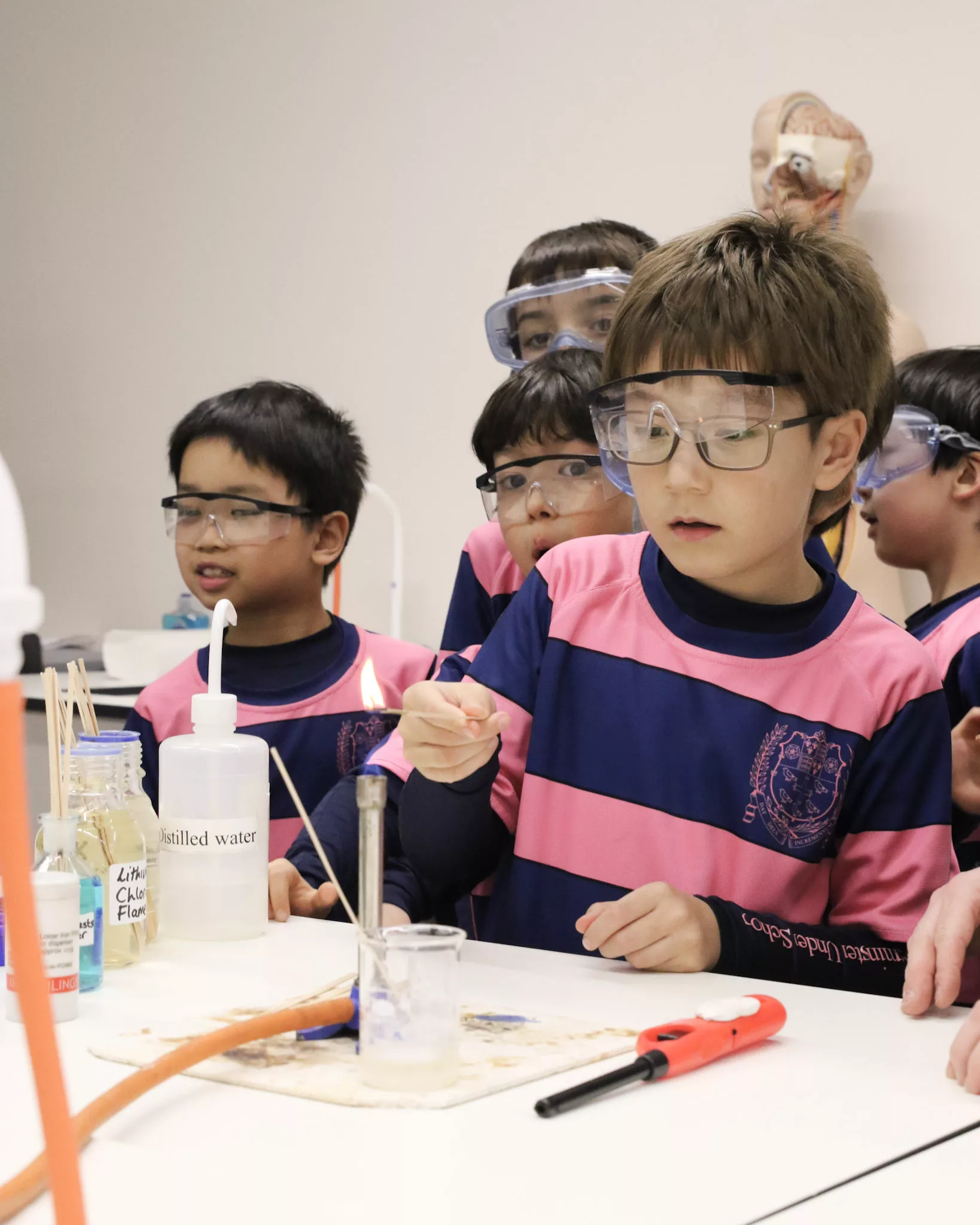
At lunchtime, academic departments run free clubs and societies linked to their subjects, including Debating, Maths Clinic, Art History, GeogSoc and Latin Club. Others emerge more directly from the interests pupils bring to school.
“We want pupils to pursue the interests they already have, but also to discover new ones. Listening to their ideas is an important part of that. If there is enthusiasm for an activity, we will look at how we can support it, whether by providing resources, finding a space or helping pupils to get a new club started.” – Mr Matthew Kerr, Assistant Master (Extra-Curricular)
Year 7 pupils Coco and Elsa discovered a shared interest in D&D soon after joining WUS. The game has had a presence at the school at different points in the past, coming and going as pupils’ interests have changed. This year, Coco and Elsa decided to bring pupils together to play again, and their lunchtime club now draws pupils from Years 6, 7 and 8.
For Coco and Elsa, running the club is less about being in charge than sharing an interest. As they put it, “Dungeons and Dragons club isn’t being authoritative; it’s finding time to show people what you enjoy doing.” The appeal of the game is also about the connections it creates: “Dungeons and Dragons isn’t just about adventuring, and storytelling; it’s connecting beyond screens and devices and using your mind to get closer to people.”
Warhammer is another activity to have grown from pupil interest, with staff providing practical support and resources where needed.
Lunchtime activities also draw on the Under School’s connection with Westminster School. Each week, A Level Art History students from the senior school prepare and present sessions for WUS pupils in Years 5 to 8. Running for just over a year, the Art History Club began as an after-school activity before moving to lunchtime as interest grew.
“We’re delighted that our senior Art Historians get to speak to the Art History Club. It gives them the opportunity to hone ideas they have learnt, and they’re often challenged and encouraged in equal measure by the thoughtful and insightful questions the WUS pupils ask them.” – Mr Benjamin Walton, Teacher of History of Art at Westminster School
For the senior pupils, preparing a session involves research, public speaking and finding ways to make sometimes complex ideas accessible to a younger audience. The questions they encounter can also make them reconsider their own thinking. Clem, one of the Westminster School pupils involved, said: “Rather than merely simplifying the concepts, I am pushed to clarify my arguments and come up with new ways of explaining what I see.”
For WUS pupils, clubs can also bring together children from different parts of the school. One Year 7 pupil currently combines Table Tennis, Parkour and Chess with an early-morning Rowing Club: “I love doing different activities and having the chance to make friends with children in different year groups.”
Across the week, pupils might arrive early for an activity, spend a lunchtime exploring a subject beyond lessons or stay after school to develop a skill. Some continue interests they already know well; others encounter something entirely new. And, as Coco and Elsa discovered, an interest brought into school can sometimes become one shared with pupils across several year groups.