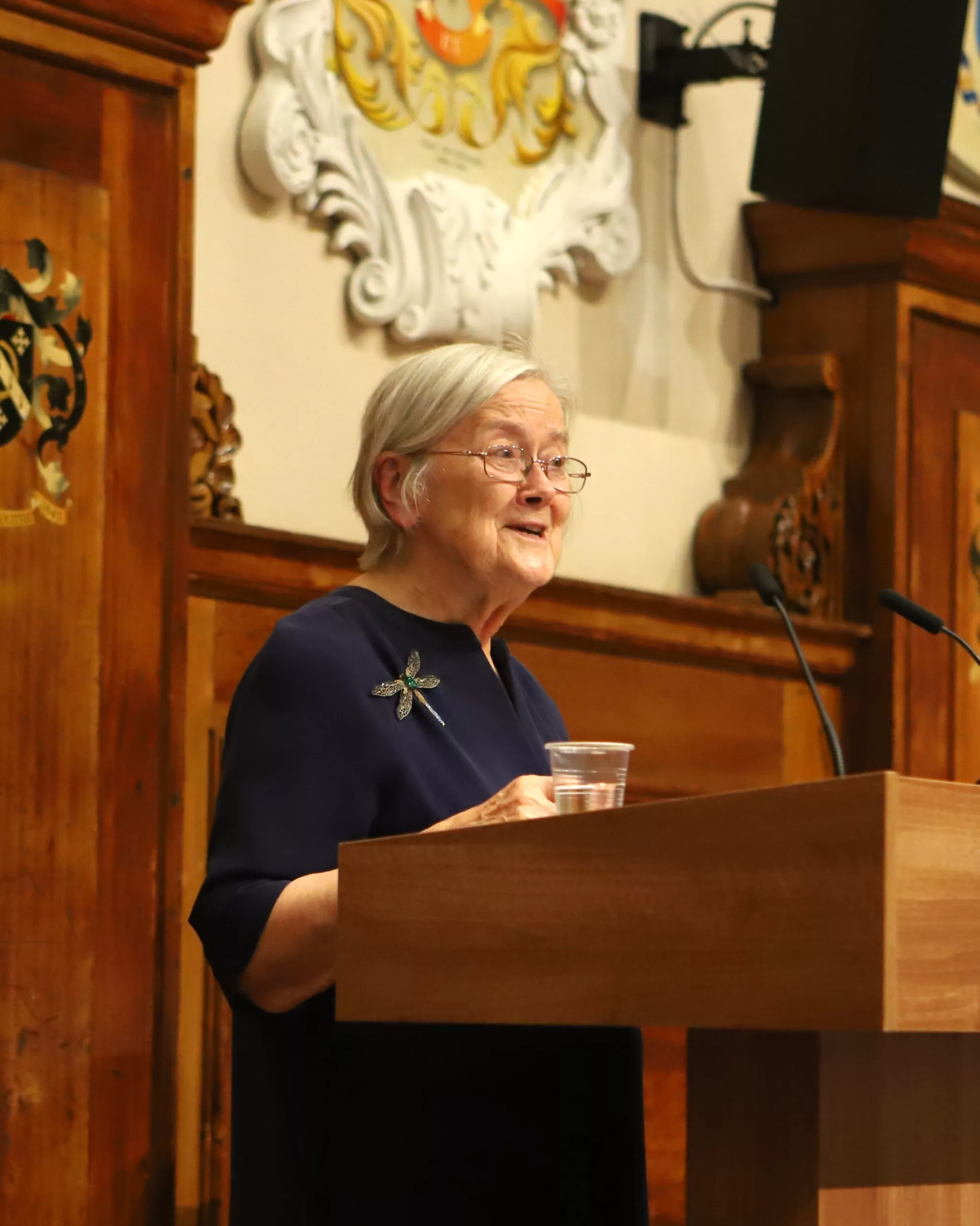
In a special Locke Lecture at Westminster School, The Rt Hon Lady Hale reflected on her rise to the top of the British judiciary, the challenges faced, and the moments that have stayed with her.
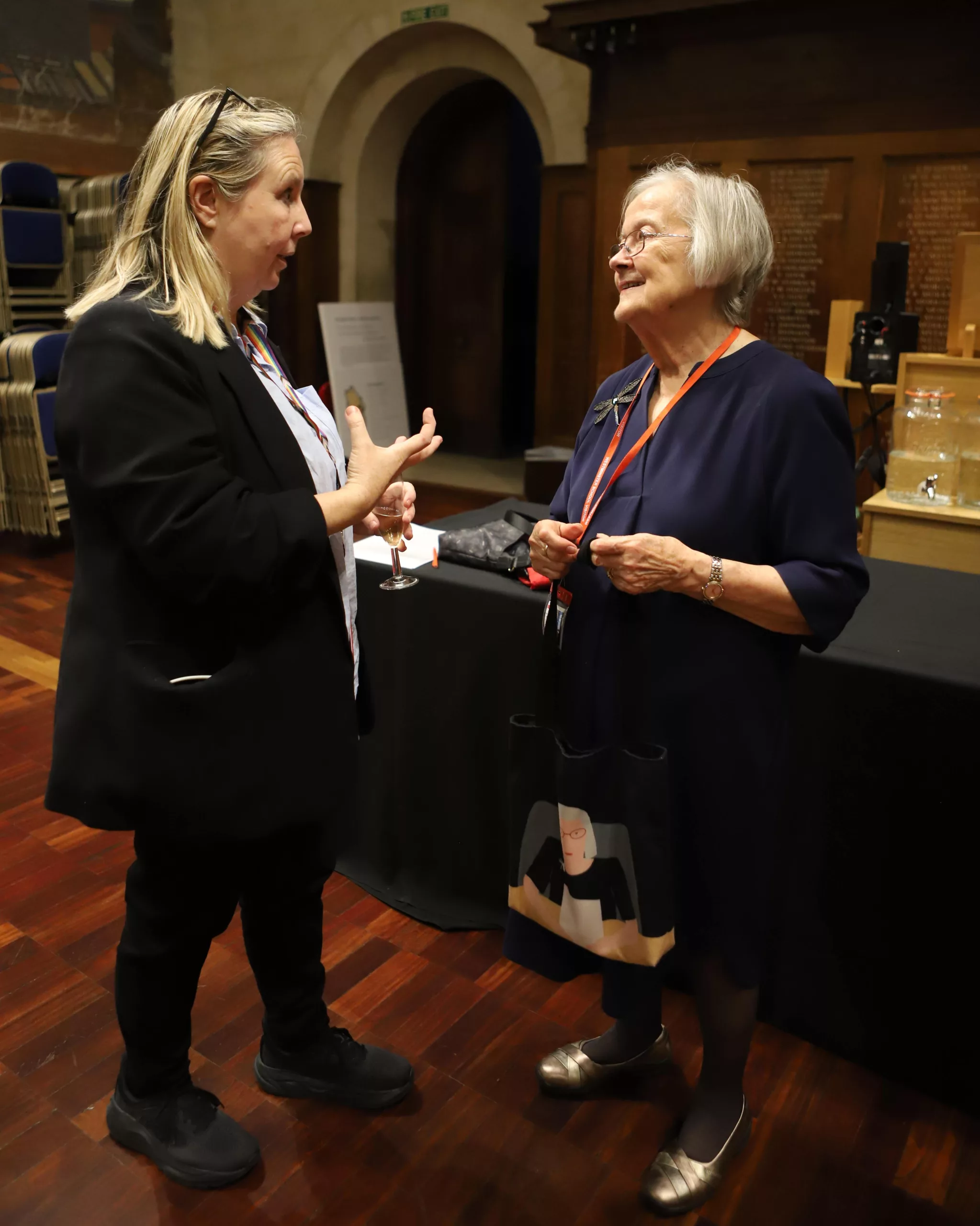
With total command of the room, and signature brooch, it became clear, quickly, how Lady Hale became one of the most respected figures in the UK judiciary.
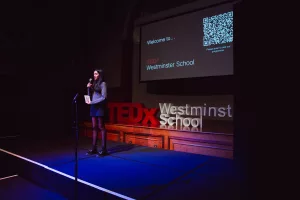
The talk at Westminster School in October covered her life and career, and what she had learned along the way.
Brenda Hale studied Law at then women-only Girton College, Cambridge. Discouraged from reading history, “because history was for clever people”, it was suggested she study law instead. As one of relatively few women at university, she said it was all those boys that gave her the drive to persist and achieve equal status as a woman at the top.
Having taught law at Manchester in the 1960s while studying for the Bar, she progressed rapidly, making history as The first woman on the Law Commission, first woman Law Lord and first woman President of the Supreme Court, with stints as a High Court judge and Court of Appeal judge, too.
Lady Hale built a career that allowed her to work across many areas, something that suited her wide-ranging interests, including combatting inequality, both through her legal work and by challenging expectations within the profession. Her background in family law made her instrumental in championing women’s rights, including helping to change the definition of domestic violence.
She spoke about the case of the mastectomy bra, which carried customs duty as an item of clothing. She asked to see the bra and concluded that no woman in her right mind would choose to buy it. The men deciding the case, she implied, would not have been able to make the same call. That battle was lost.
She recalled occasions when men would remain in a room talking after dinner while women were expected to retire elsewhere. She refused.
She hopes she has helped women along the way and worries that some, having attained positions of power, “pull up the drawbridge” behind them.
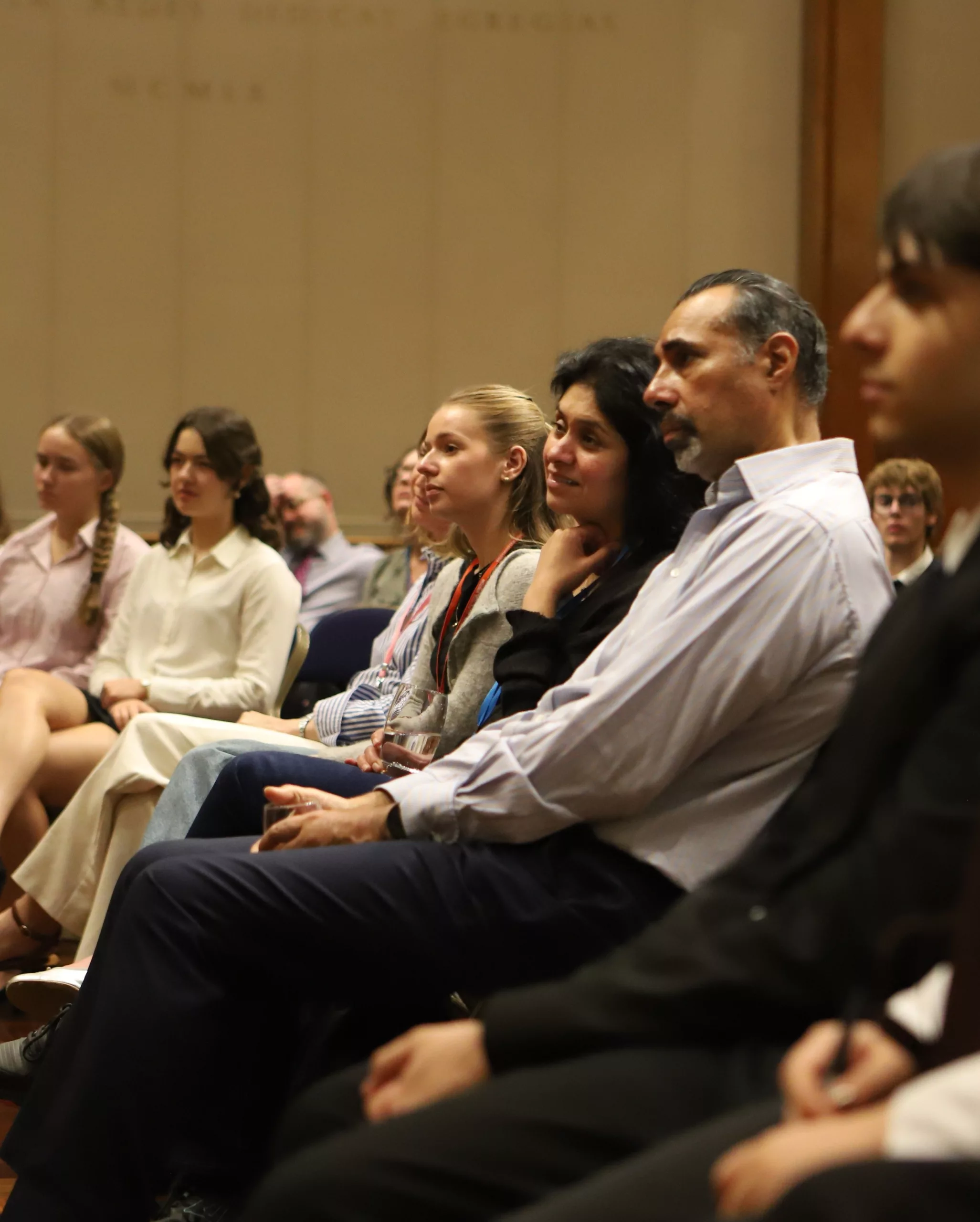
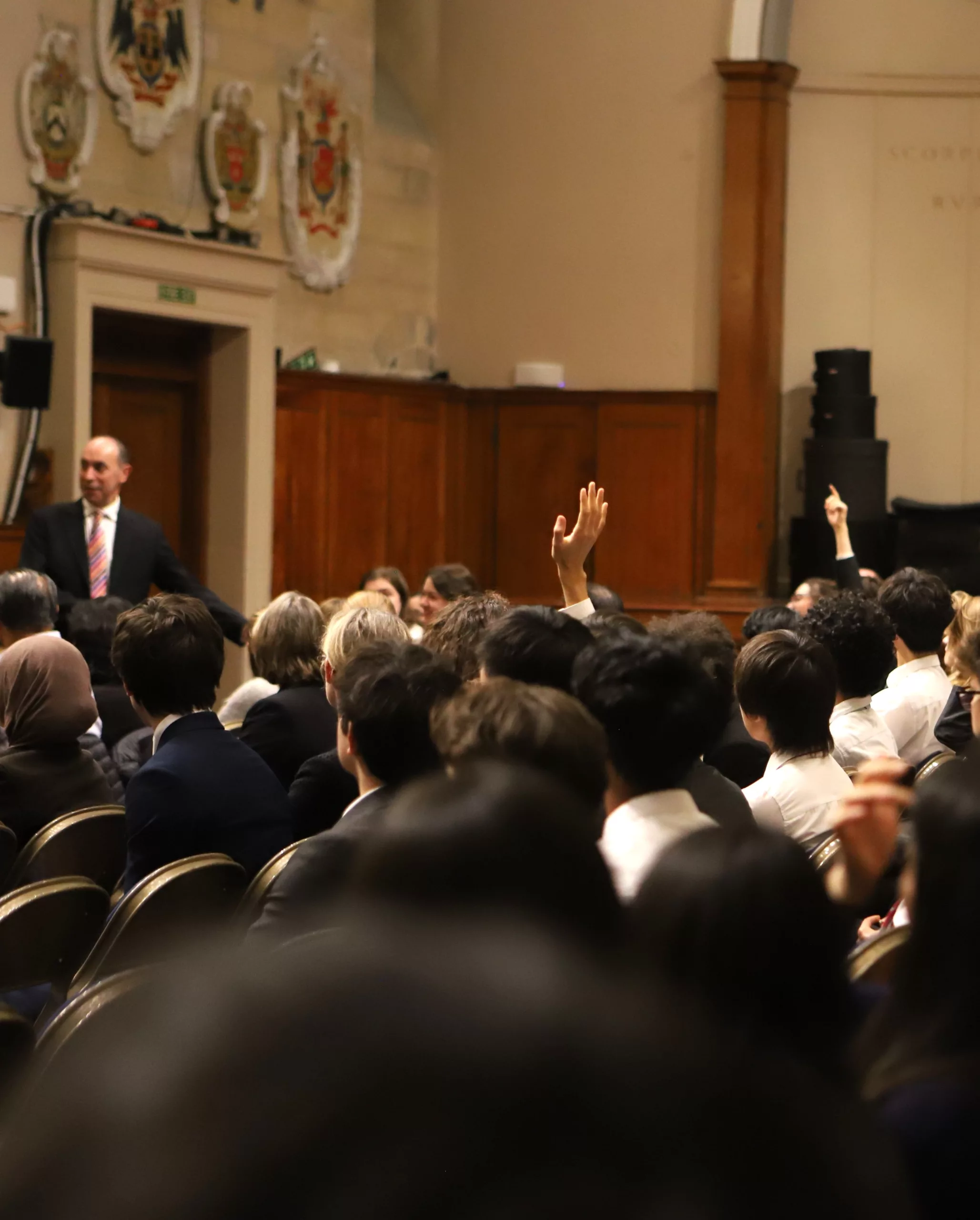
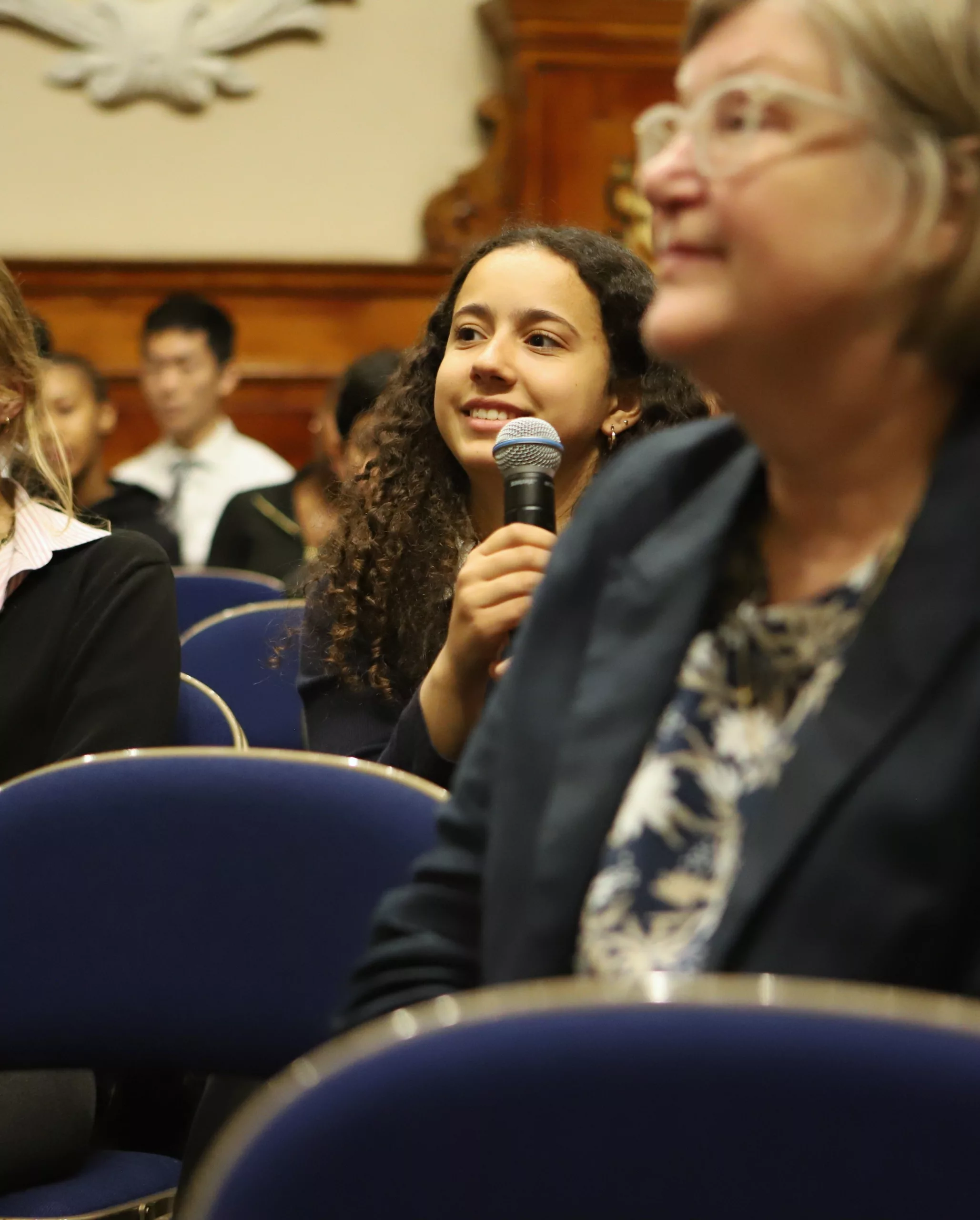
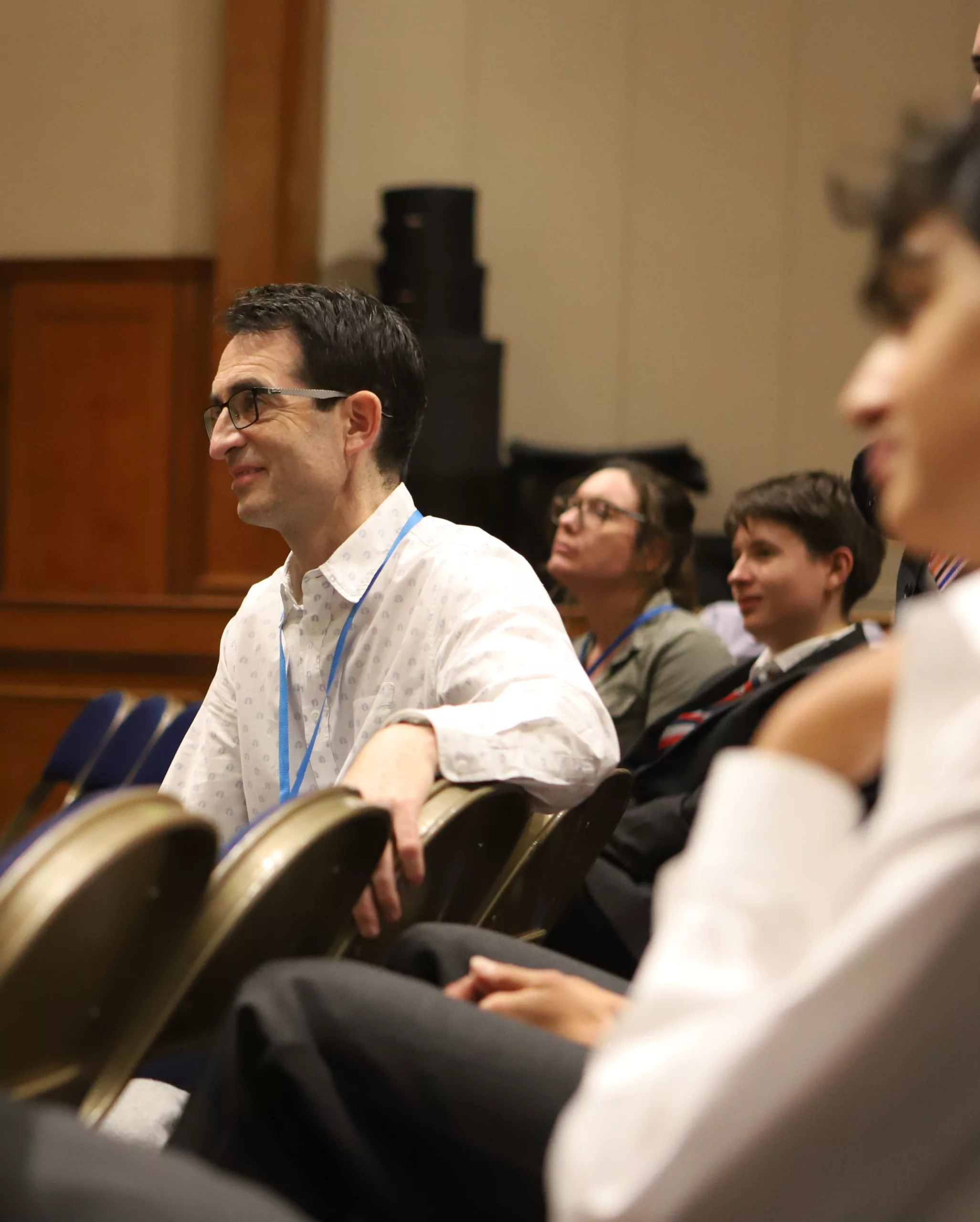
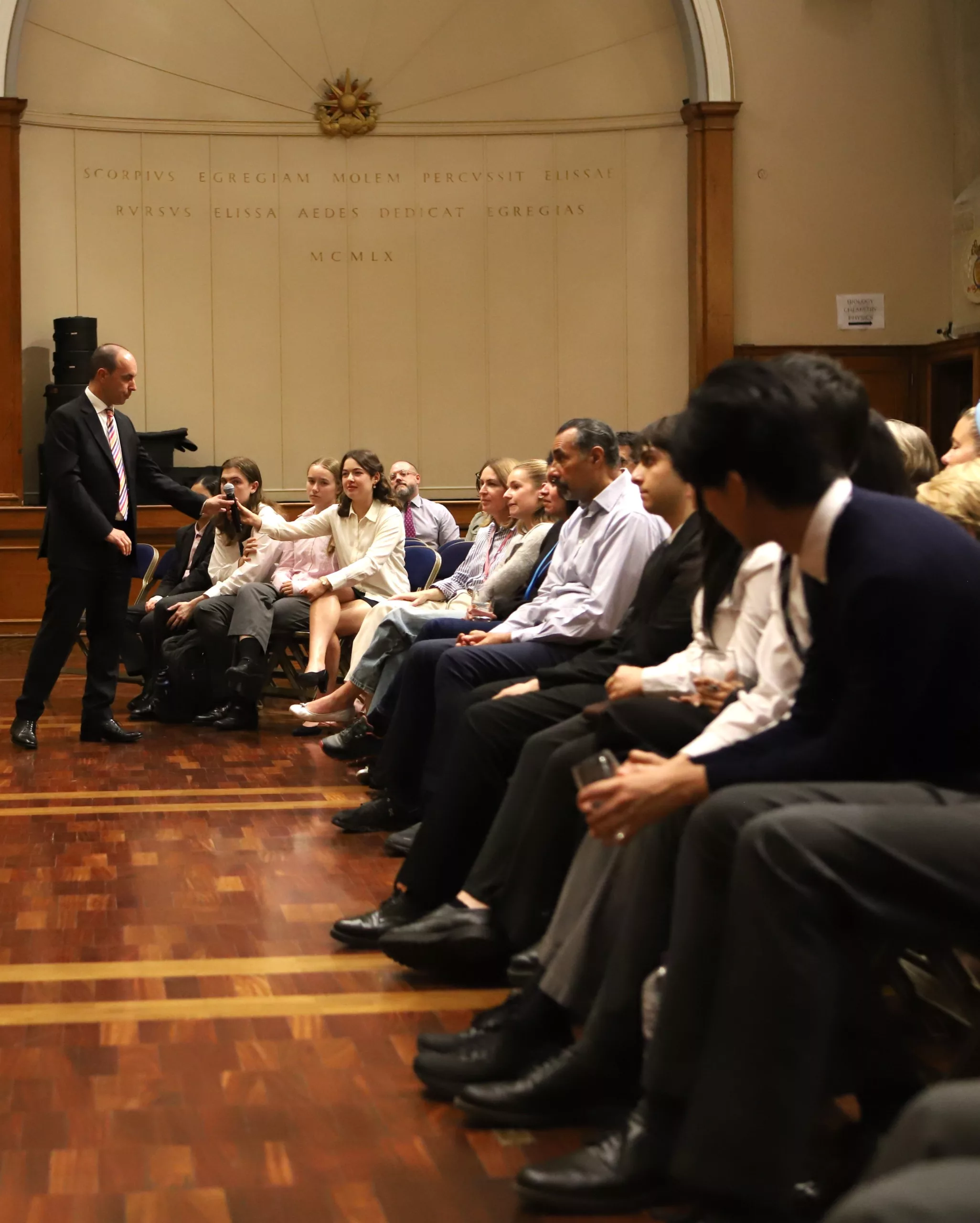
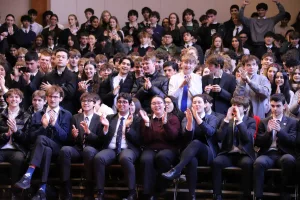
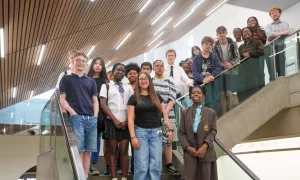
Pupils from Westminster’s partner schools joined Westminster pupils and parents for the Q&A. When asked about her favourite case, she referred to the Hunting Act 2004, which challenged the principle of parliamentary sovereignty, suggesting that it may not be absolute. At the Supreme Court, she played a central role in landmark constitutional rulings such as the prorogation of Parliament case in 2019, delivering the court’s unanimous judgment that the prime minister’s advice to prorogue parliament was unlawful.
Members of the School’s Law Society asked why she believes trial by jury remains necessary, responding that it is vital to ensure innocent people are acquitted, and that juries also serve as an important safeguard for judges. She added, though, there may be a case for limiting the use of juries in less serious cases. Regarding human rights and the laws protecting women today, she explained that while the laws themselves are sound, implementation is often too slow. Rape and abuse cases need to move quickly, she said, because the victims involved are vulnerable and may ultimately decide they want to move on and forget.
Another question concerned foreign governments acting outside of the law. Lady Hale said that the law relies on all of us following agreed rules, but that governments around the world are increasingly failing to do so. Could the same happen in the UK? She thinks not: the British system tending to hold people accountable more quickly, making it harder for leaders to get away with the kinds of actions seen elsewhere. However, she argued that if Britain ever reached that point, it might need a written constitution, and making that happen would require people to speak up.
She left her audience with a powerful message, reminding pupils that they have the power to change things for the better: “It’s your future.”
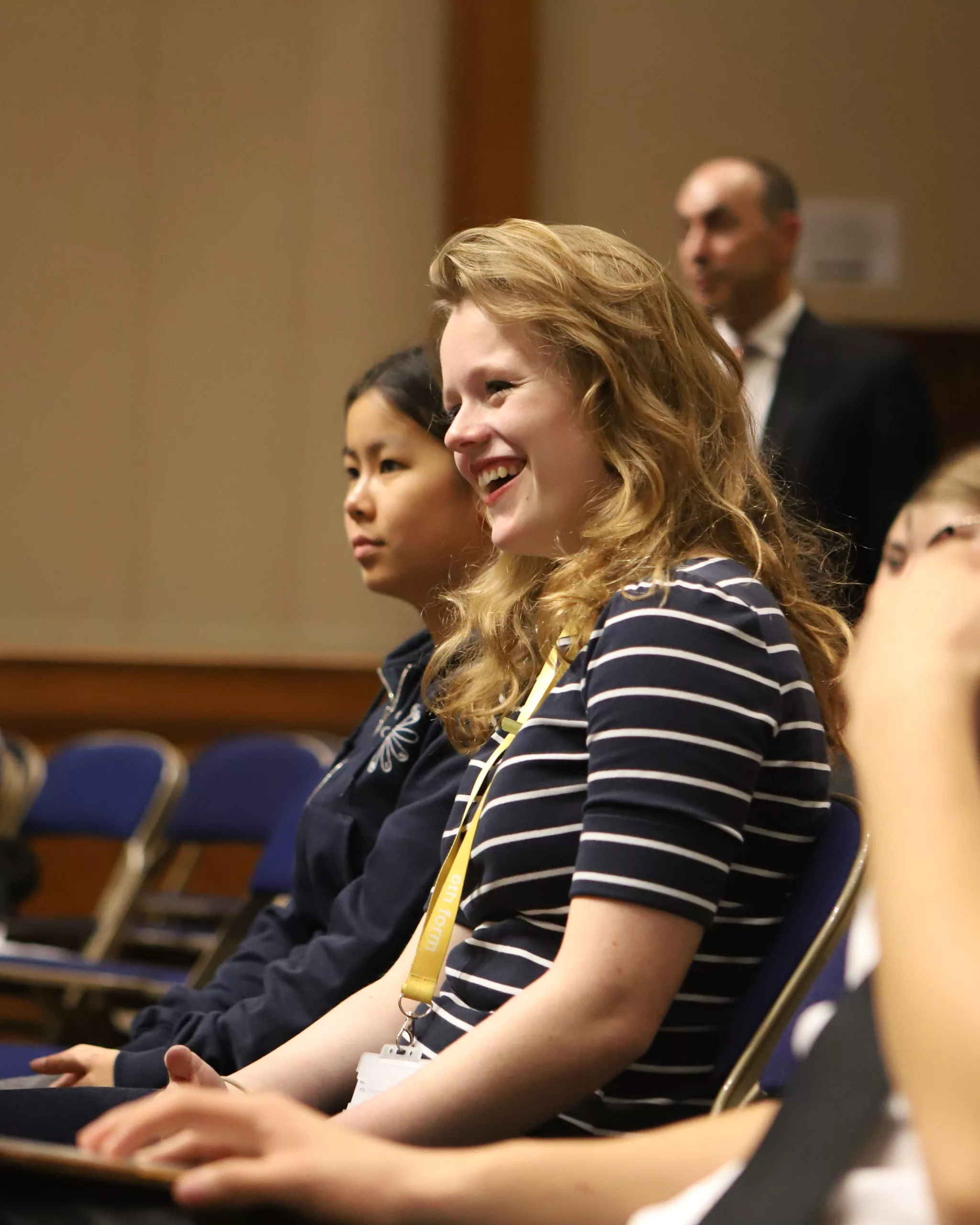
Jahnvi (Remove, RR) said: “Listening to Lady Hale’s extensive experience as a pioneer for women in the justice system was inspiring and made me hopeful for the trajectory of law.”
Leonora (Remove, BB) said: “I was captivated during Lady Hale’s talk. It was very inspirational as a young woman hoping to go into the legal field. The breadth of what she has accomplished is extraordinary.”